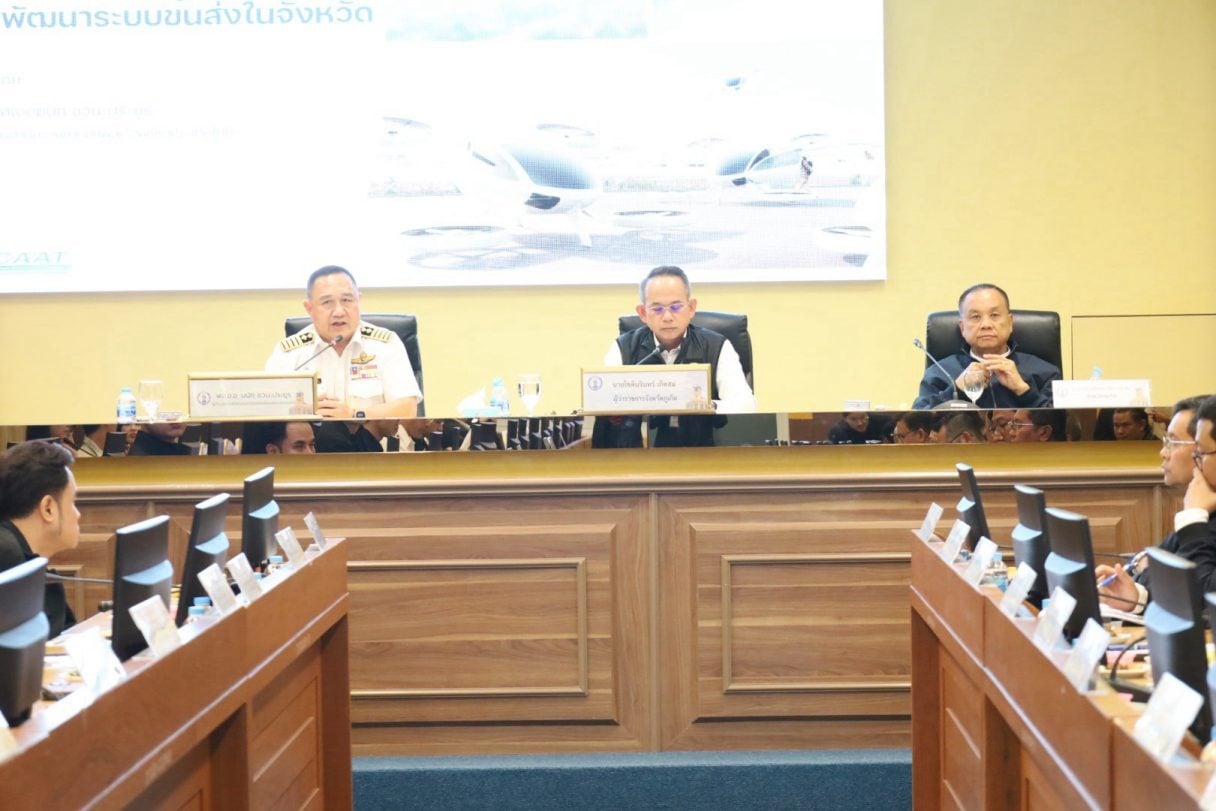
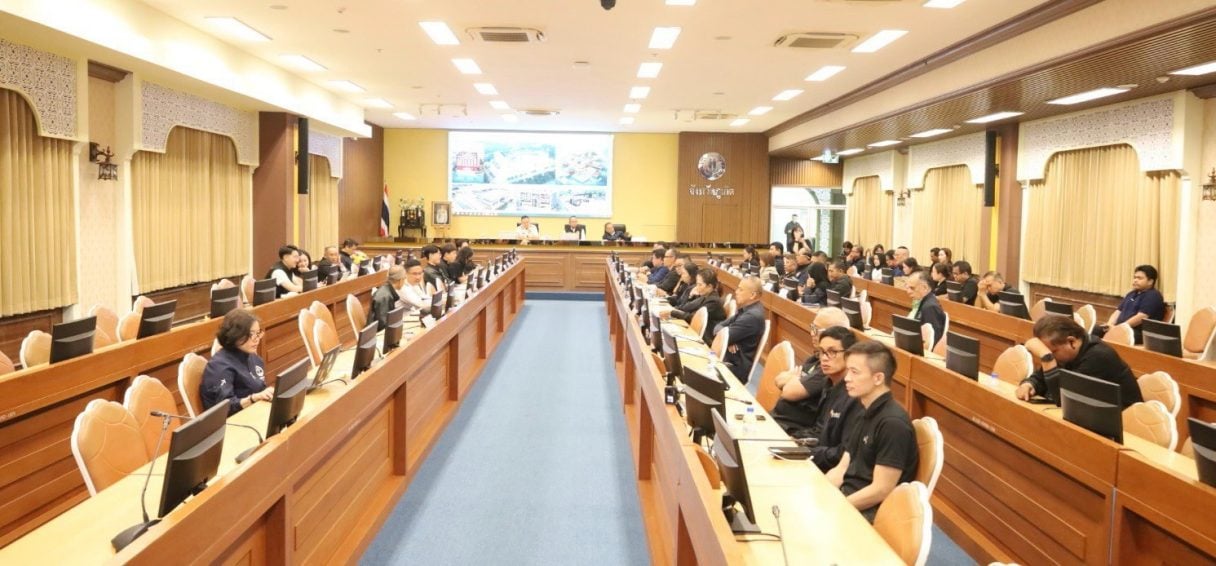
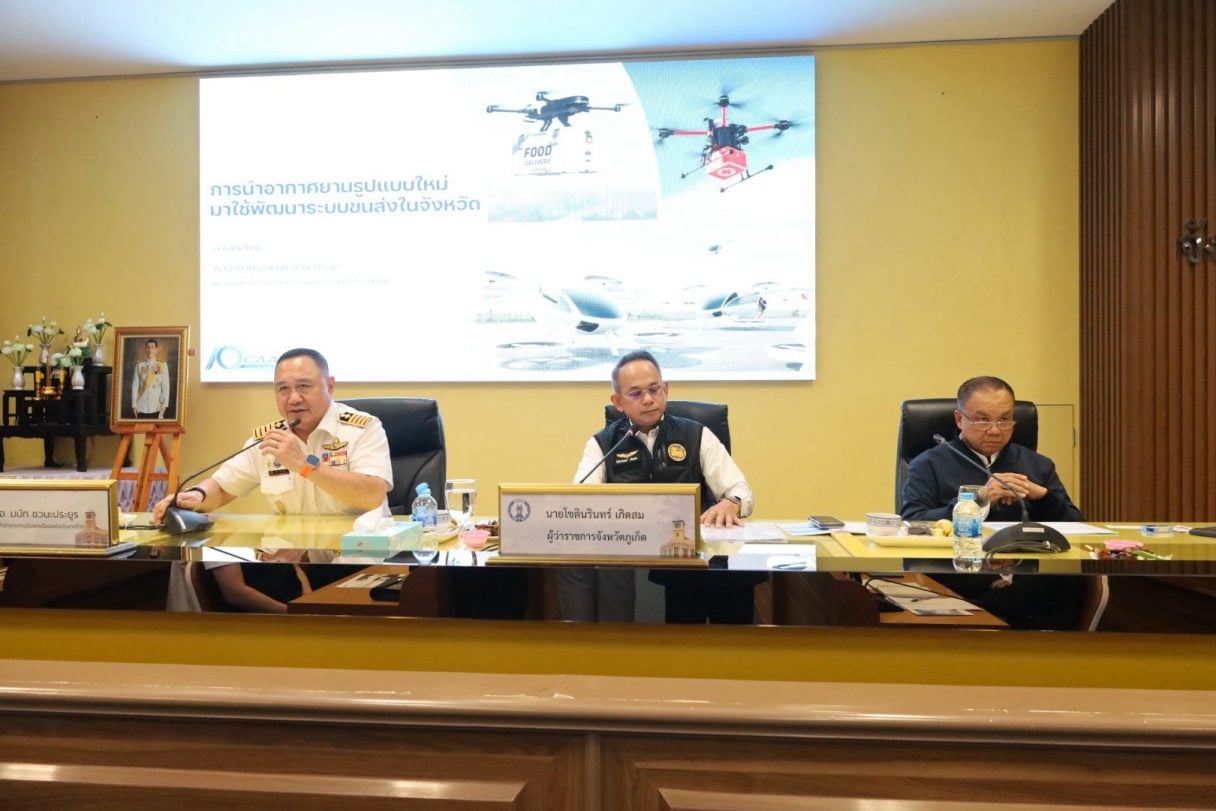
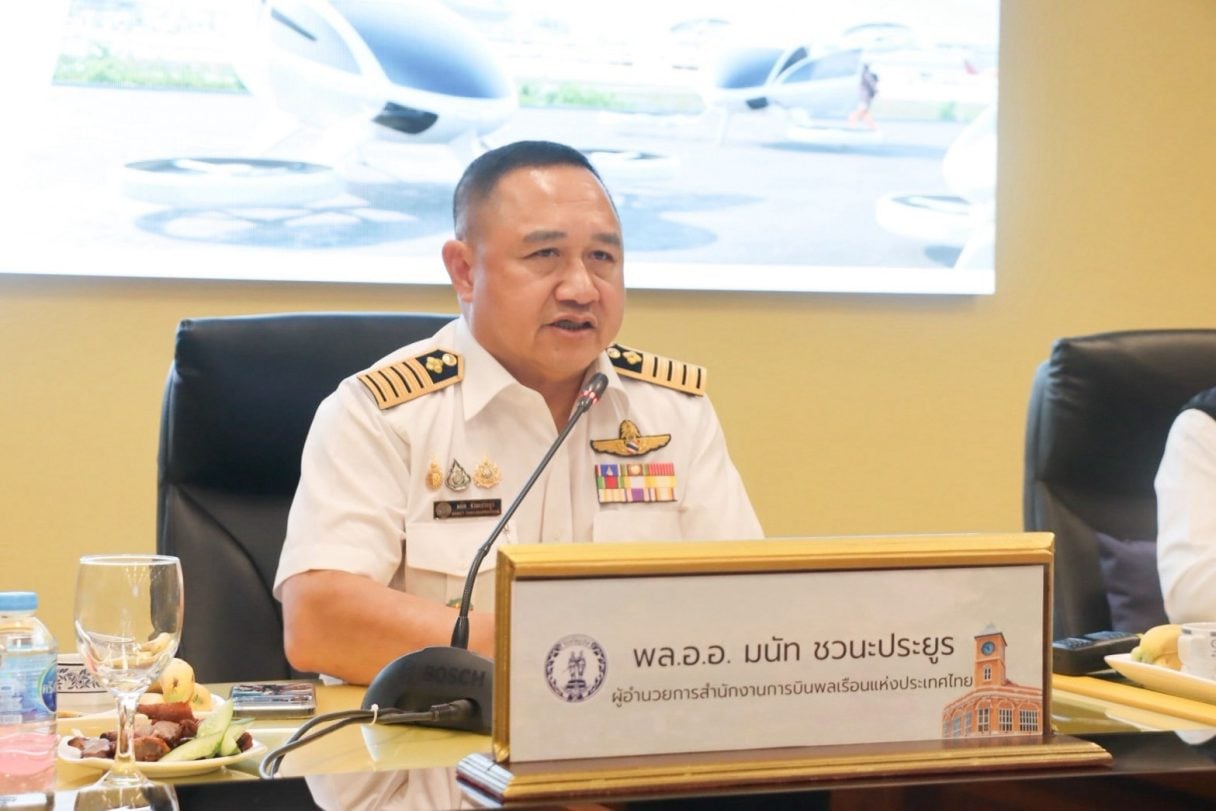
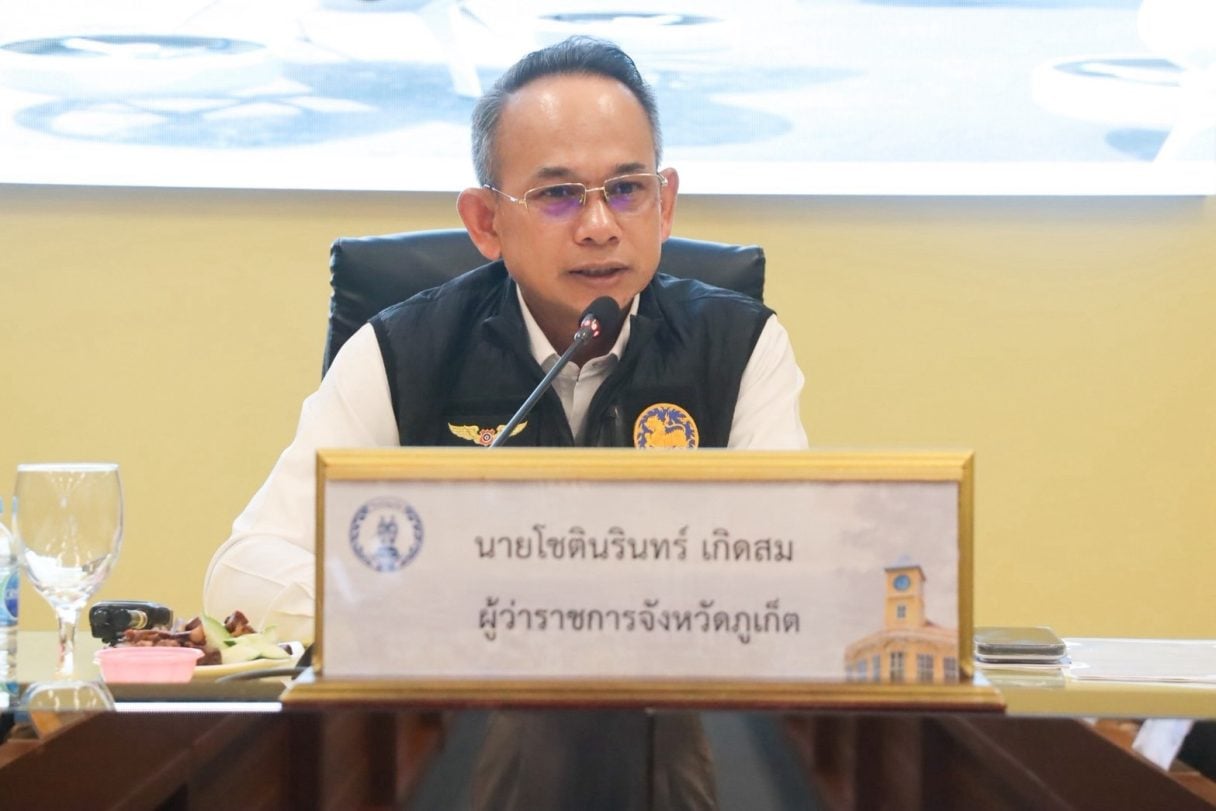
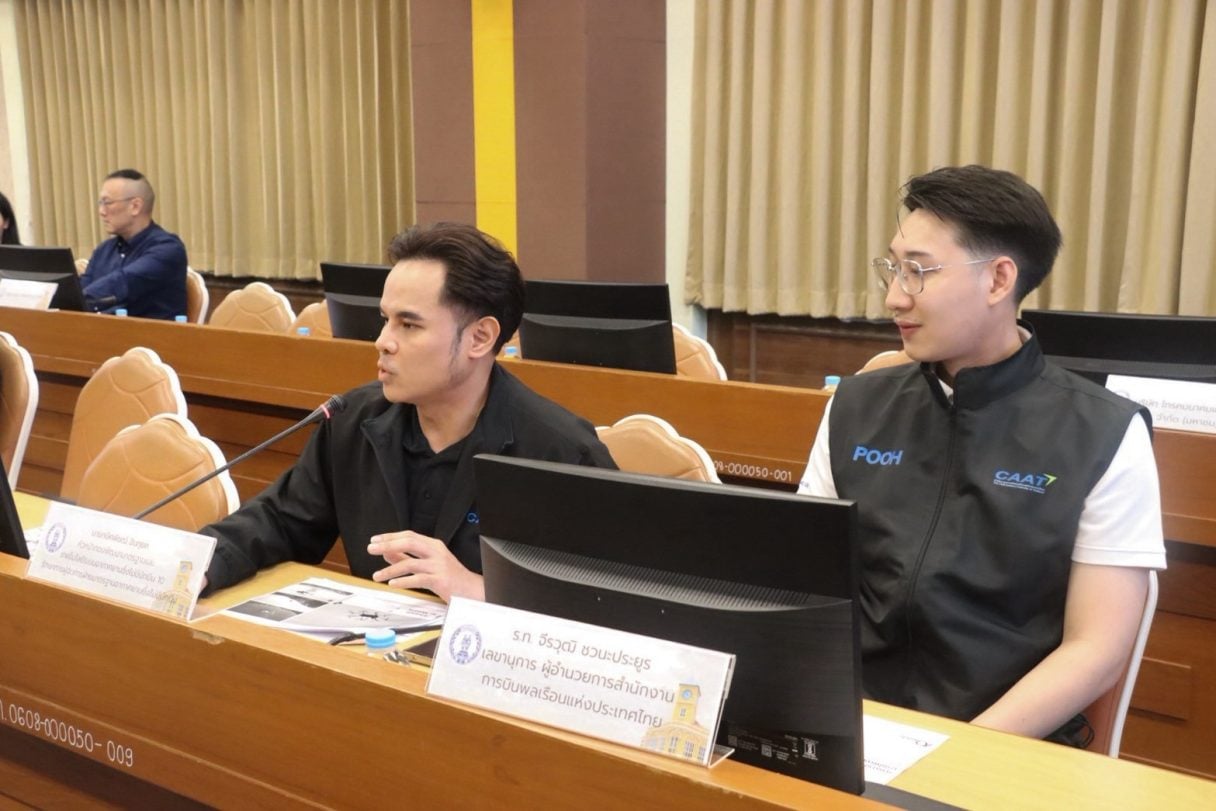
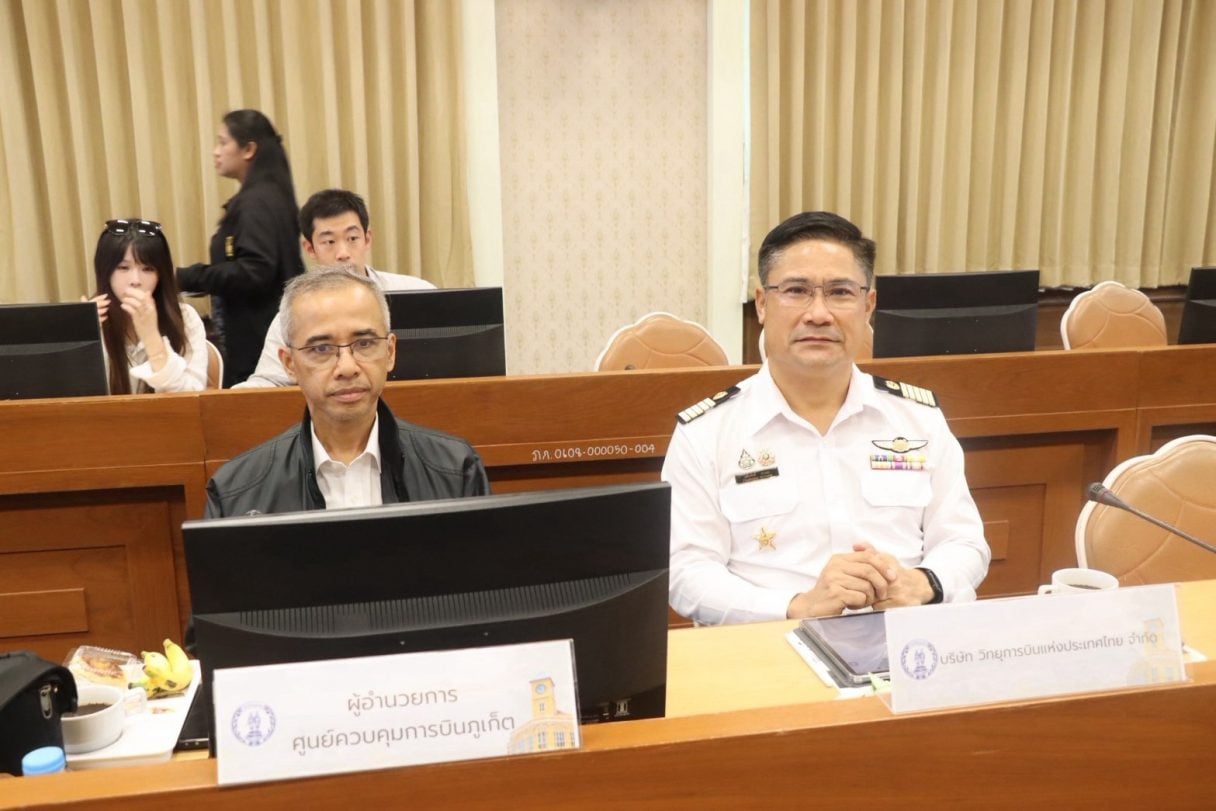
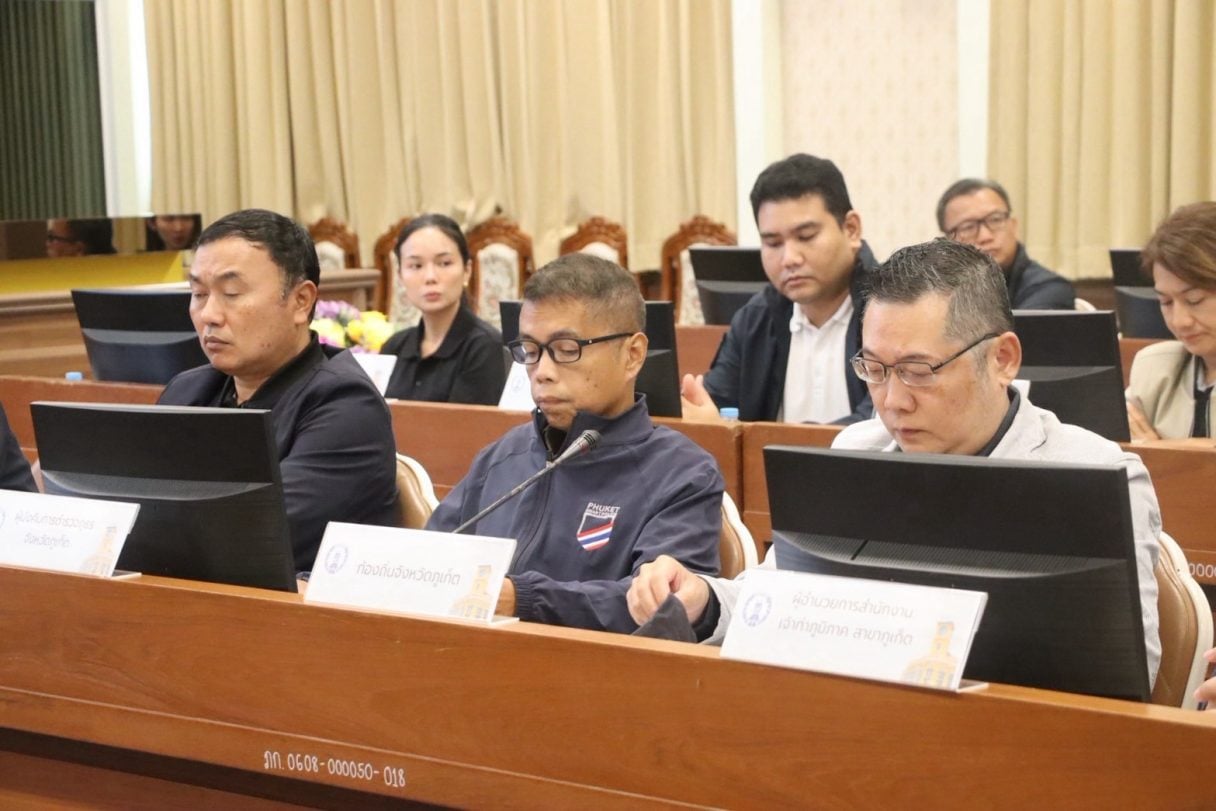
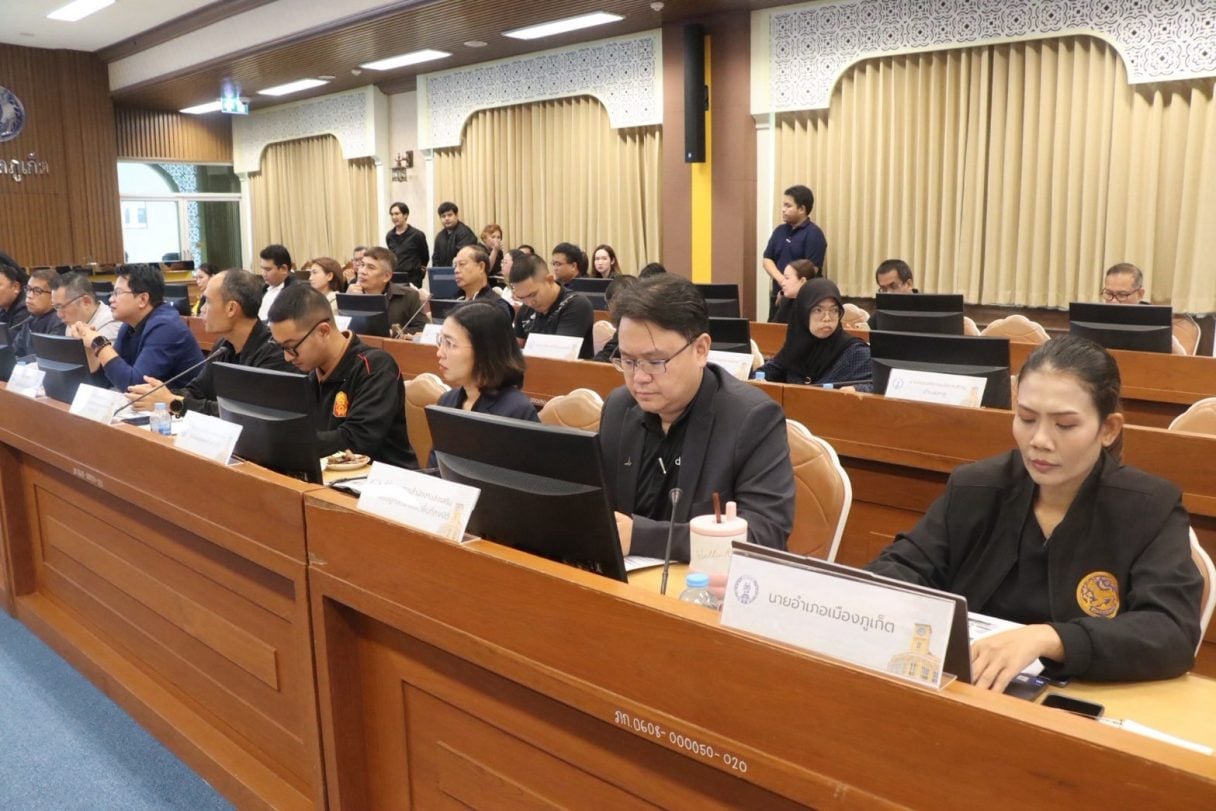
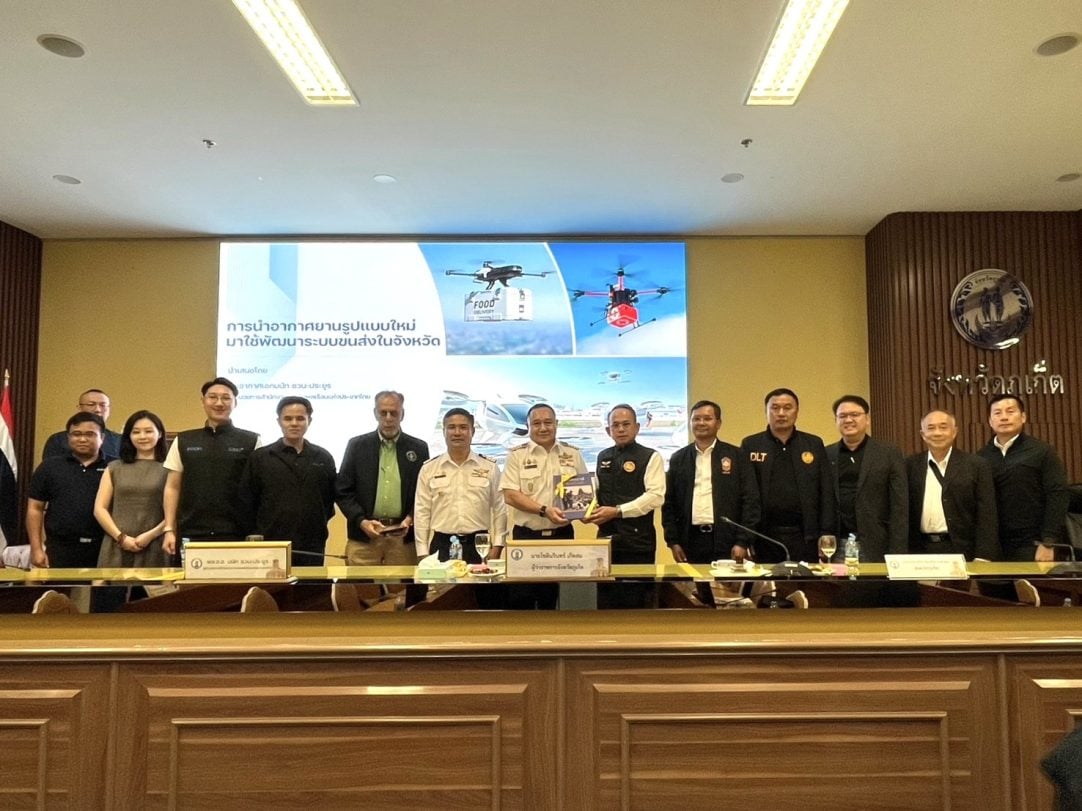
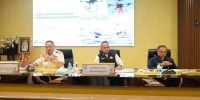
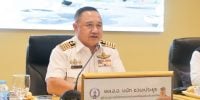
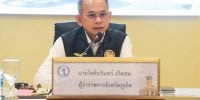
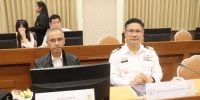
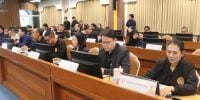
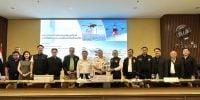
On 23 September 2026, Air Chief Marshal Manat Chavanaprayoon, Director General of the Civil Aviation Authority of Thailand (CAAT), together with representatives from CAAT and relevant government agencies, local authorities, and private sector organizations, participated in a meeting to discuss approaches for the application of Unmanned Aircraft and Advanced Air Mobility (AAM) under the Phuket Integrated Aviation Industry Development Project. The meeting was chaired by Mr. Chotnarin Kerdsom, Governor of Phuket, and was held at the Chaofa Meeting Room, Phuket Provincial Hall.
During the meeting, CAAT presented the progress of collaborative projects involving the use of Unmanned Aircraft for air transportation in support of medical missions and disaster relief operations in Pua District, Nan Province, as well as the upcoming operation scheduled to take place on 3 October 2026 in Mae Chaem District, Chiang Mai Province.
The discussions also covered approaches for applying emerging aviation technologies to support the transportation of goods and food, as well as the development of passenger transport routes to support tourism and new forms of travel. In addition, the meeting discussed the potential use of existing transportation infrastructure to develop AAM Hubs and Vertiports, approaches to low-altitude airspace management under the Thailand Low Altitude Airspace CONOPS, and the use of the UAS Portal to facilitate and streamline the application and authorization process for Unmanned Aircraft operations.
The meeting served as an important platform for exchanging information and discussing approaches to applying emerging aviation technologies in a manner appropriate to the context of Phuket, a major tourism destination with diverse transportation needs. The discussions focused on infrastructure development, integration of transportation systems, support for the tourism sector, and the application of aviation technologies to support healthcare missions and disaster relief operations, while ensuring safety oversight and promoting systematic and sustainable development.