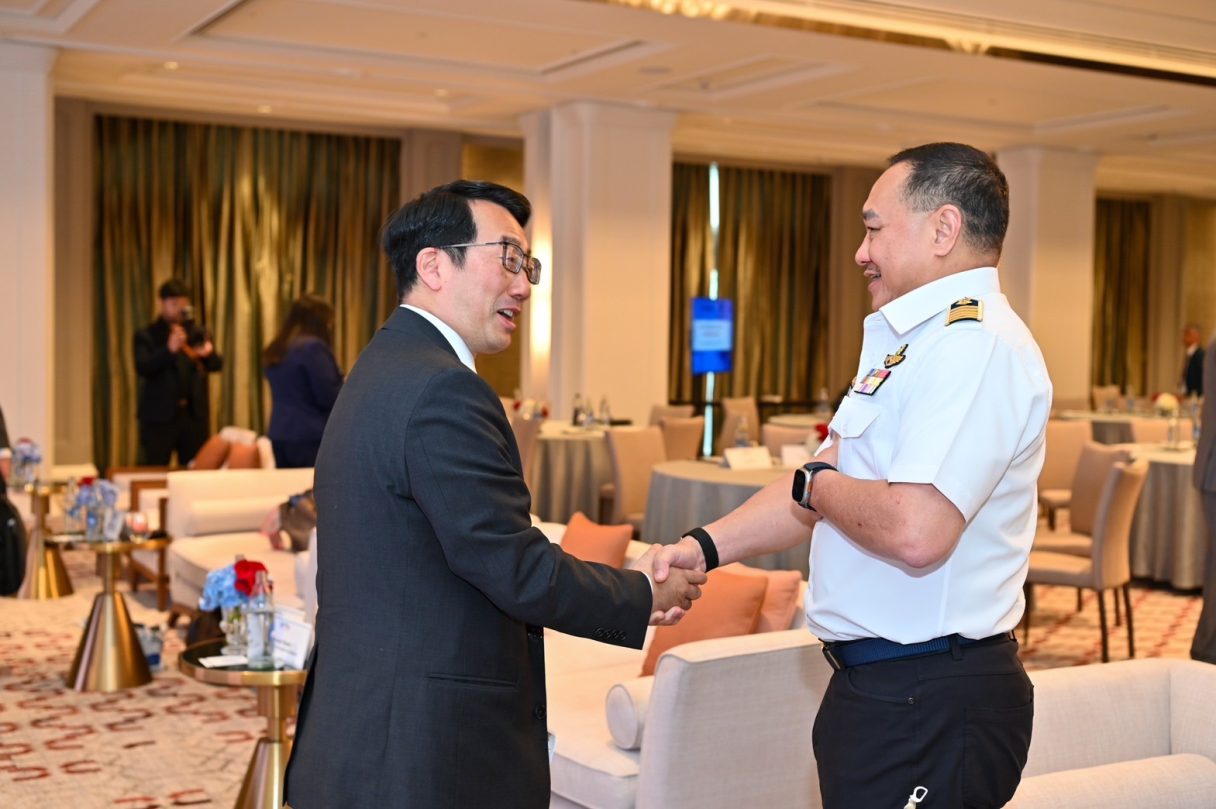
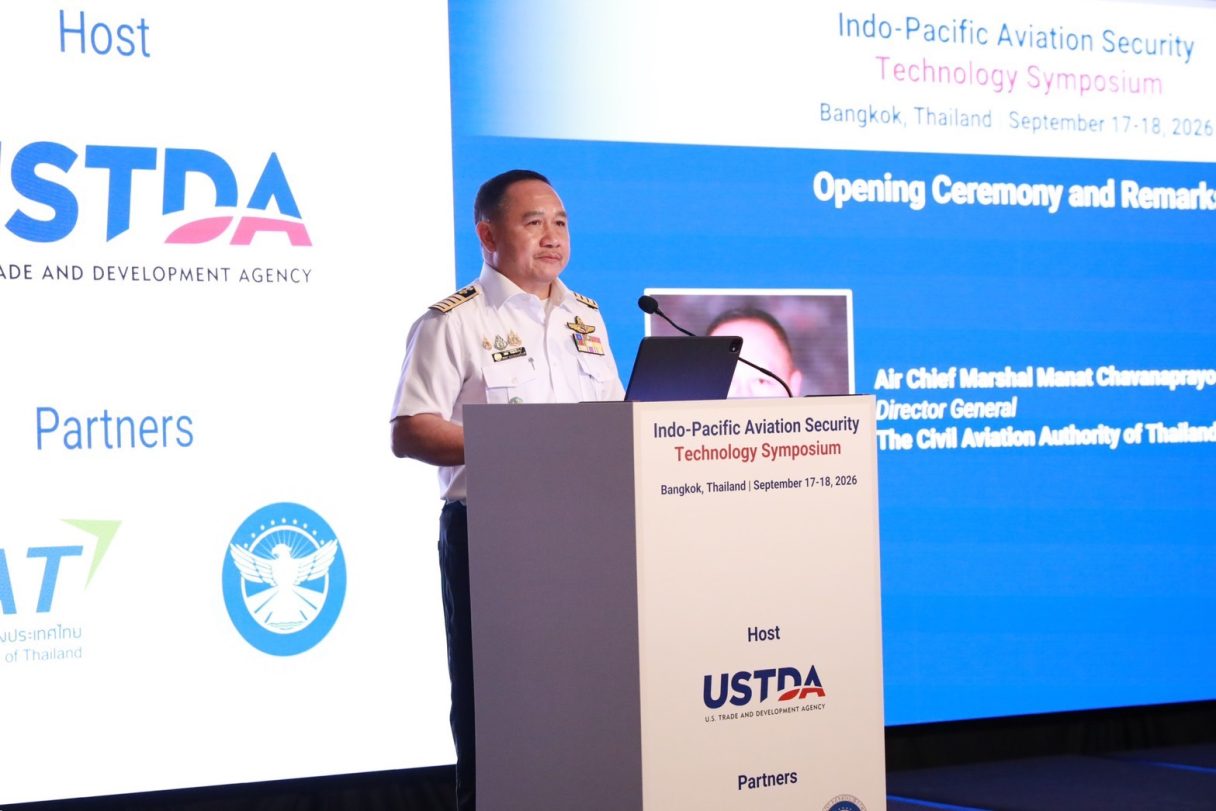
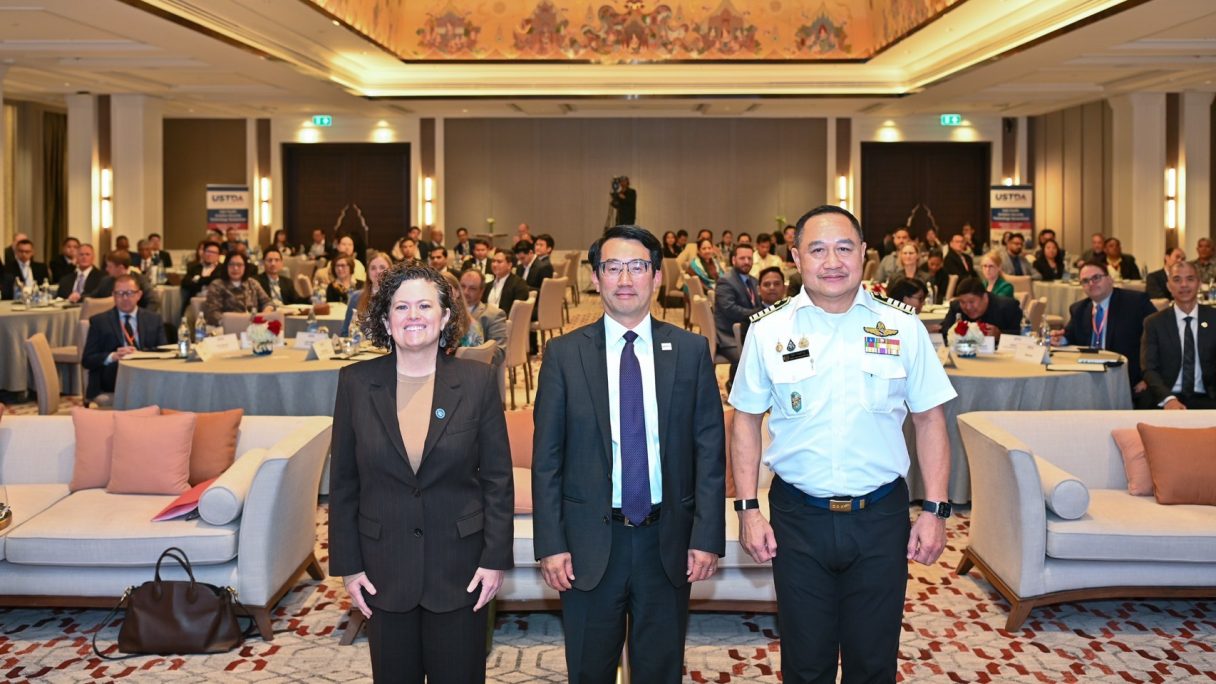
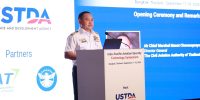
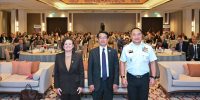
On 17 September 2026, Air Chief Marshal Manat Chavanaprayoon, Director General of the Civil Aviation Authority of Thailand (CAAT), delivered opening remarks at the Indo-Pacific Aviation Security Technology Symposium alongside Mr. Sam Kwon, General Counsel, U.S. Trade and Development Agency (USTDA), and Ms. Stephanie Metzger, Regional Director, U.S. Transportation Security Administration (TSA), in Bangkok. The symposium brought together representatives from aviation authorities, airport operators, security organizations, technology providers, and industry partners from the United States, Thailand, and across the Indo-Pacific to exchange knowledge, experience, and approaches to applying technology to enhance aviation security.
The symposium aims to strengthen cooperation in addressing an increasingly complex and rapidly evolving aviation security environment, driven by emerging threats, technological developments, and the growing interconnection between physical and digital systems. It provides an opportunity for government agencies and industry stakeholders to exchange experience and explore emerging technologies, practical applications, and case studies that can be appropriately integrated into aviation security operations.
Air Chief Marshal Manat highlighted CAAT’s approach to effective aviation security, which is built on three key elements: strong regulatory oversight, effective implementation, and continuous improvement. While international standards provide an essential foundation, their effectiveness ultimately depends on how they are translated into practical and sustainable measures in real-world operations.
At the same time, the adoption of new security technologies requires a comprehensive approach that goes beyond the capabilities of the technology itself. Appropriate infrastructure, well-trained personnel, operational testing, maintenance, and effective change management must all work together to enhance security while maintaining operational efficiency and passenger facilitation.
Aviation security is also becoming increasingly interconnected with emerging areas such as cybersecurity, data protection, digital identity, advanced screening technologies, and Unmanned Aircraft Systems (UAS). Addressing these evolving risks and challenges requires strong cooperation among regulators, government agencies, airports, security organizations, industry stakeholders, and international partners.
CAAT places strong emphasis on international cooperation and knowledge sharing as key mechanisms for strengthening aviation security. The symposium provides an important platform for sharing best practices, learning from practical applications and case studies, and strengthening partnerships between government and industry, contributing to a more secure and resilient aviation system in Thailand and across the Indo-Pacific.
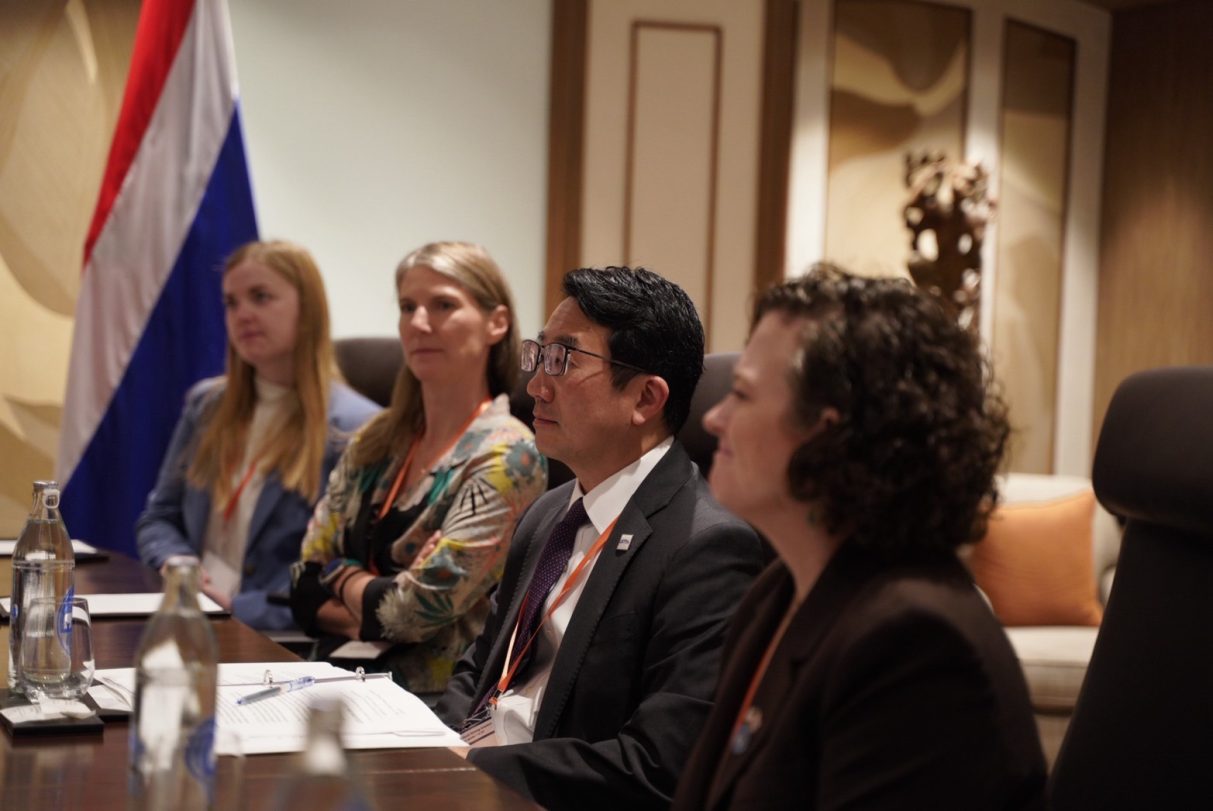
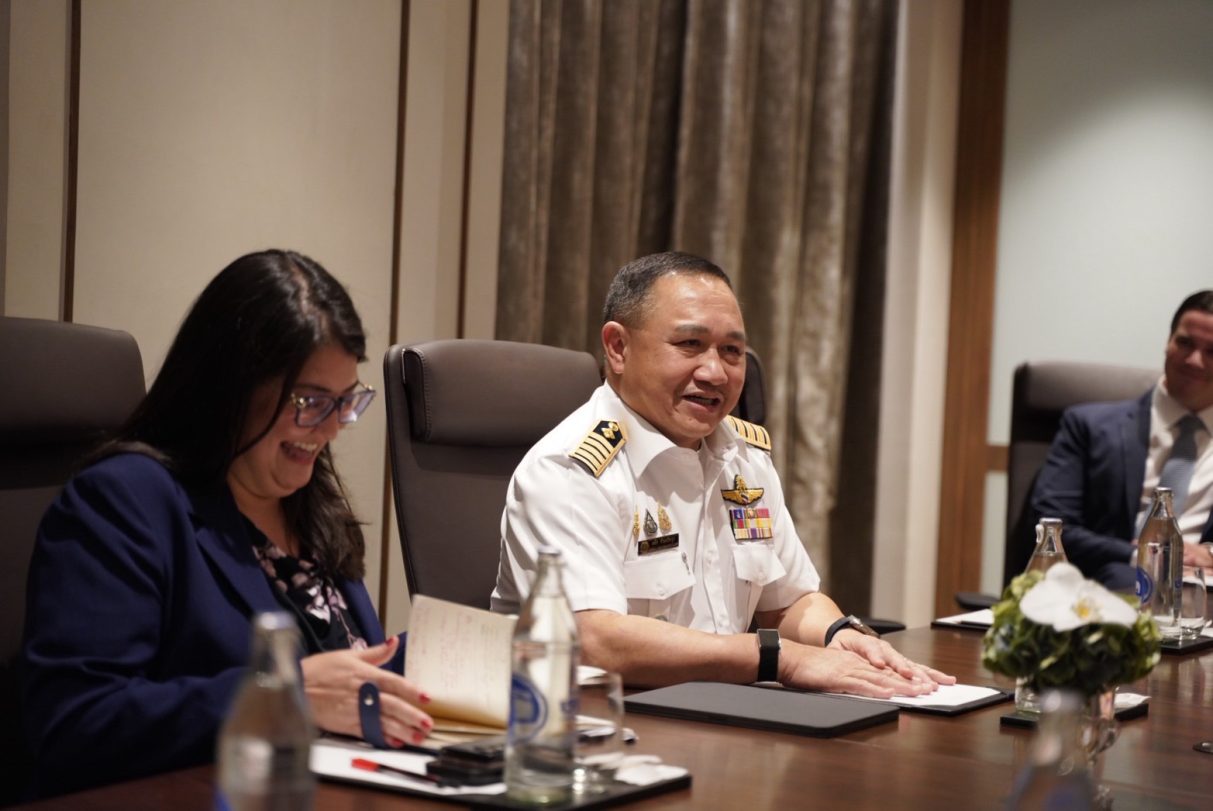
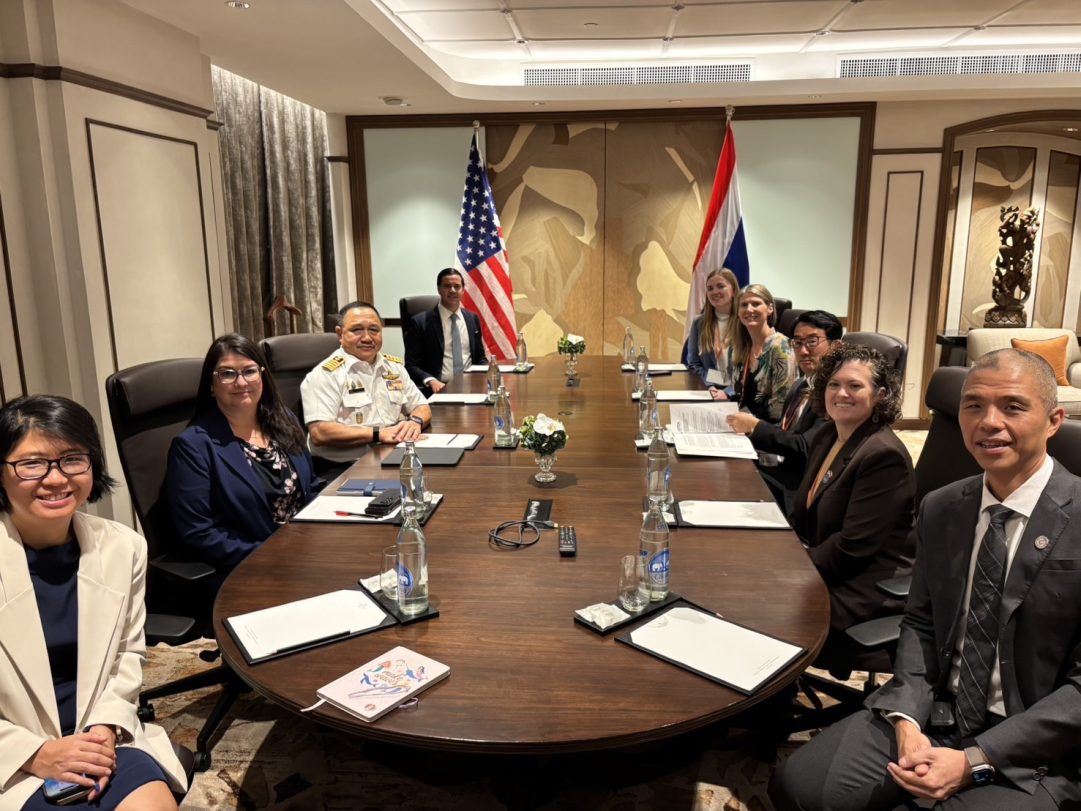
Prior to the opening of the symposium, Director General of CAAT, also held discussions with Mr. Sam Kwon, General Counsel, U.S. Trade and Development Agency (USTDA), Ms. Stephanie Metzger, Regional Director, U.S. Transportation Security Administration (TSA), and representatives from the U.S. Embassy in Thailand. The discussion focused on enhancing air connectivity between Thailand and the United States, including exploring the feasibility of introducing a U.S. Preclearance system in Thailand to support potential future non-stop air services between the two countries.
U.S. Preclearance would allow passengers to complete U.S. immigration, customs, and other relevant clearance procedures at the airport of departure before traveling to the United States, helping facilitate the passenger journey and streamline arrival procedures. The parties exchanged information on possible approaches and coordination with relevant U.S. and Thai authorities to further explore the feasibility of such a system in Thailand. Ms. Stephanie Metzger expressed interest in the initiative and readiness to support coordination in relevant areas. If successfully developed in the future, the initiative could enhance Thailand’s potential as a regional connecting point for passengers traveling to the United States and support the country’s ambition to strengthen its position as a regional aviation hub.