List of Dangerous Goods may be carried by passenger or crew
Dangerous Goods are articles or substances which are capable of posing a hazard to health, safety, property or the environment.
Dangerous goods discovered that are improperly packaged, not permitted in baggage, leaking, or hidden/artfully concealed are subject to civil and criminal penalties as appropriate.
Check the item list to see which common dangerous goods are allowed in checked and/or carry-on baggage and which are forbidden to carry. The checked baggage rules also apply to carry-on bags that are checked at the boarding gate or at ramp site.
Remember !! this is just a listing of common dangerous goods that may be limited by airline policies, if you don’t see your item here it doesn’t mean it’s allowed in baggage. Please contact and check with your airline for their policies and conditions.

1.Medicinal & Toiletry
Curling irons (Cordless) Cordless curling iron containing a gas cartridge, butane fueled curling irons
Duty free perfume and cologne Perfumes and colognes purchased through airport and airline duty free shops
Implanted medical device, ingested or injected radiopharmaceuticals Heart pacemakers, radioactive medicines in the body, etc
Medical-clinical mercury thermometer Small medical thermometer
Medicinal & toiletry articles, Non-Toxic aerosols in Division 2.2, Non-Flammable Including hairspray, aerosols, rubbing alcohol, inhalers, nail polish and remover, etc.
Curling irons (Cordless)
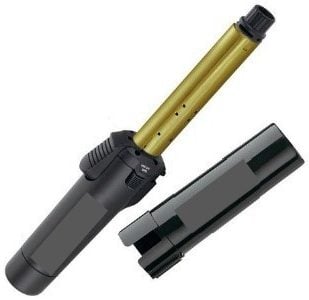
Curling irons (Cordless): Cordless curling iron containing a gas cartridge, butane fueled curling irons
Requires airline approval: NO
Check Baggage: YES
Carry-on Baggage: YES
Quantity limits: One per person in check baggage and carry-on baggage.
A safety cover must be securely fitted over the heating element. The device must be protected from accidental activation.
Gas refills (spare cartridges) are not permitted.Electric curling irons and hair straighteners (cord plugs into an electric outlet) are not restricted.
Duty free perfume and cologne

Duty free perfume and cologne: Perfumes and colognes purchased through airport and airline duty free shops
Requires airline approval: NO
Check Baggage: YES
Carry-on Baggage: YES
Quantity limits: N/A – Because these are typically purchased at the airport or even on the aircraft, the quantity restrictions for toiletry articles do not apply here. However, quantities are generally regulated by customs/duty rules.
Note: For perfumes and cologne not purchased through duty-free sales, see the entry for Medicinal and Toiletry Articles.
Implanted medical device, ingested or injected radiopharmaceuticals
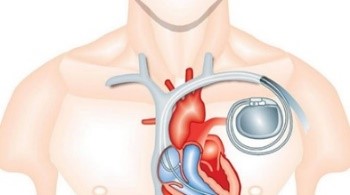
Implanted medical device, ingested or injected radiopharmaceuticals: Heart pacemakers, radioactive medicines in the body, etc
Requires airline approval: NO
Check Baggage: NO
Carry-on Baggage: ON ONE’S PERSON
Quantity limits: N/A
Examples include heart pacemakers that contain radioactive materials or lithium batteries and radiopharmaceuticals that have been ingested, injected, or implanted.
Medical-clinical mercury thermometer
Medical-clinical mercury thermometer: Small medical thermometer
Requires airline approval: NO
Check Baggage: YES
Carry-on Baggage: NO
Quantity limits: One small clinical/medical mercury thermometer.
The thermometer must be in a protective case.
Tip: Thermometers with a red line instead of silver are not mercury and not restricted. Digital thermometers are also not restricted.
Medicinal & toiletry articles, Non-Toxic aerosols in Division 2.2, Non-Flammable

Medicinal & toiletry articles, Non-Toxic aerosols in Division 2.2, Non-Flammable: Including hairspray, aerosols, rubbing alcohol, inhalers, nail polish and remover, etc.
Requires airline approval: NO
Check Baggage: YES
Carry-on Baggage: YES
For personal use including aerosols, hair spray, perfumes, colognes, nail polish, rubbing alcohol, shaving cream, inhalers, medicines.
Quantity limits: The total aggregate quantity per person cannot exceed 2 kg (70 ounces) or 2 L (68 fluid ounces). The capacity of each container must not exceed 0.5 kg (18 ounces) or 500 ml (17 fluid ounces).*
This exception includes medicinal and toiletry articles in aerosol canisters. Aerosol release devices (button/nozzle) must be protected by caps or other suitable means to prevent accidental release.
This entry does not cover radioactive materials. See entry for “Implanted medical devices” for radioactive medicines and medical devices.
2.Matches & Lighter
Lighters Unabsorbed liquid (desk/table lighters, antique wick lighters), Absorbed liquids, butane (Zippo type lighters and disposable lighters)
Matches (safety and strike anywhere) Safety matches, waterproof matches
Lighters a small cigarette lighter
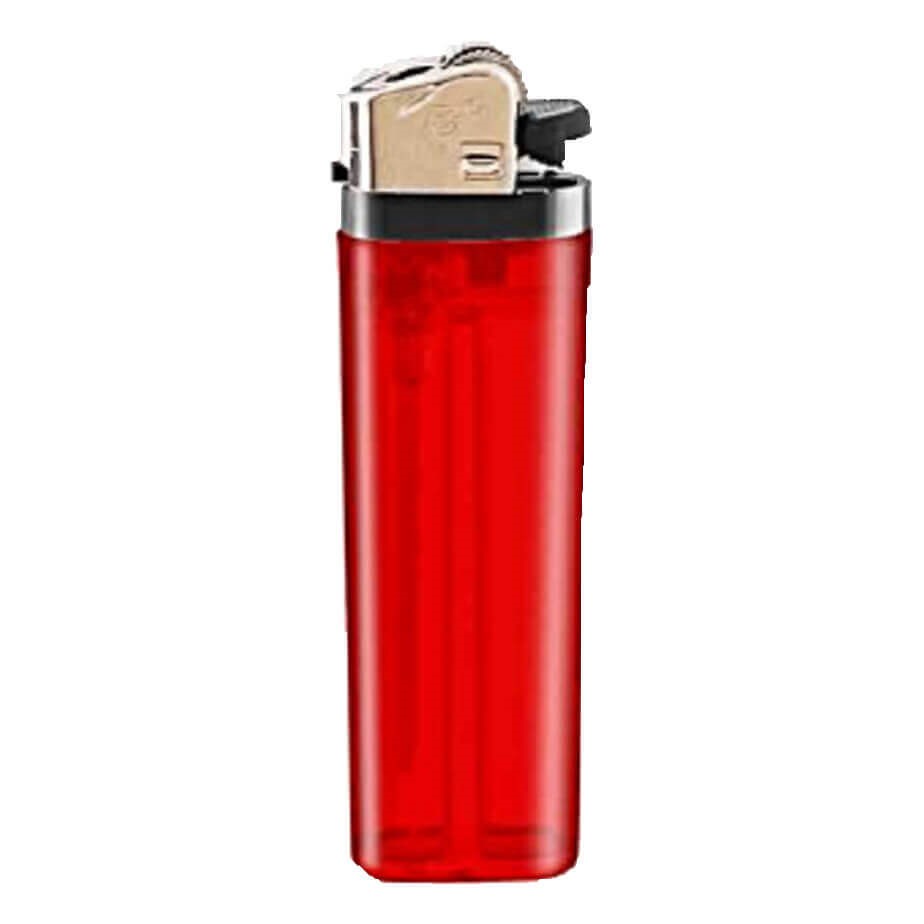
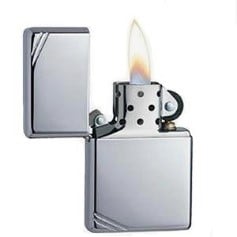
Lighters a small cigarette lighter: Unabsorbed liquid (desk/table lighters, antique wick lighters), Absorbed liquids, butane (Zippo type lighters and disposable lighters)
Requires airline approval: ON ONE’S PERSON
Check Baggage: ON ONE’S PERSON
Carry-on Baggage: ON ONE’S PERSON
Quantity Limitations: Check with your airline policy
Lighters that use liquid fuel but do not have an absorbent lining are forbidden.
Absorbed liquid and butane lighters are limited to one lighter per passenger in carry-on or on one’s person. When a carry-on bag is checked at the gate or at planeside, any lighter in the carry-on must be removed from the bag and kept with the passenger in the aircraft cabin.
Blue flame, Cigar lighter, lighter power by the lithium batteries without safety cap
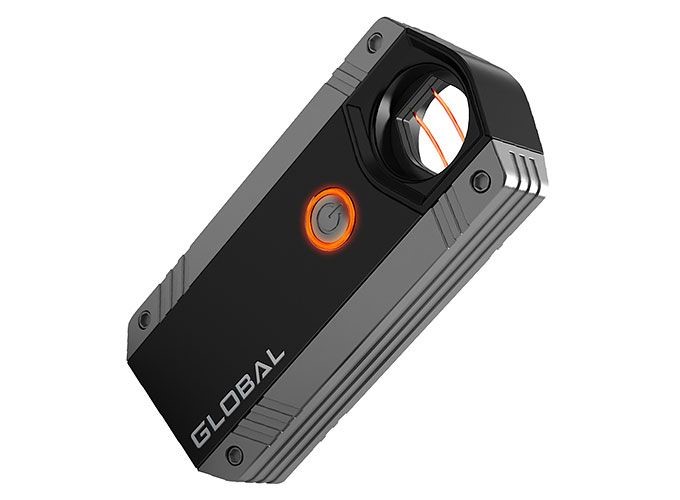
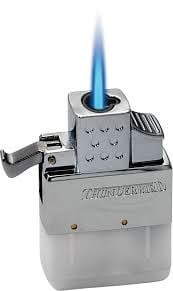
Blue flame, Cigar lighter, lighter power by the lithium batteries without safety cap
Requires airline approval: FORBIDDEN
Check Baggage: FORBIDDEN
Carry-on Baggage: FORBIDDEN
Detail: Butane torch lighters (a.k.a. blue flame lighters, jet flame lighters) are not allowed in the cabin
Safety matches, waterproof matches
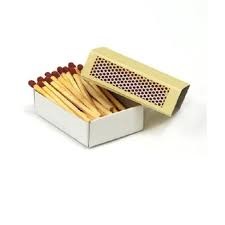
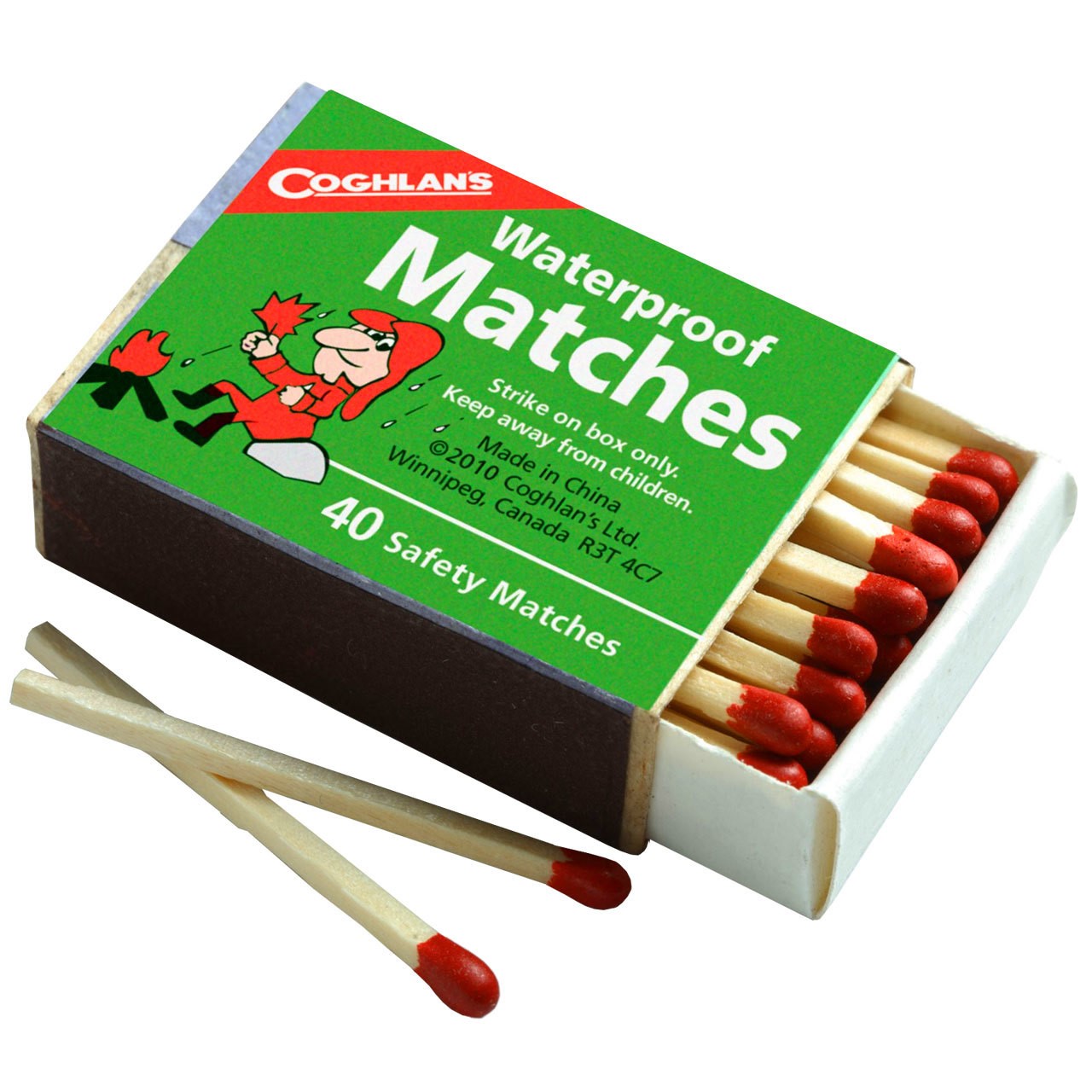
Safety matches, waterproof matches
Requires airline approval: ON ONE’S PERSON
Check Baggage: ON ONE’S PERSON
Carry-on Baggage: ON ONE’S PERSON
Quantity Limits: One book/packet of matches in carry-on or on the person. When a carry-on bag is checked at the gate or at planeside, any matches in the carry-on must be removed from the bag and kept with the passenger in the aircraft cabin.
Strike anyway Matches
Strike anyway Matches
Requires airline approval: FORBIDDEN
Check Baggage: FORBIDDEN
Carry-on Baggage: FORBIDDEN
Quantity Limits: Strike-anywhere matches are forbidden in carry-on and checked baggage.
3.Batteries & Electronics
Batteries, dry cell Alkaline, nickel metal hydride, nickel cadmium
Batteries, Spare/loose, including lithium metal or lithium ion cells or batteries Rechargeable and non-rechargeable lithium batteries, cell phone batteries, laptop batteries
Batteries, non spillable Small gel cell and absorbed electrolyte batteries for portable electronics
Electronic cigarettes, vaping devices Battery-powered E-cigarettes, vaporizers, vape pens, atomizers, electronic nicotine delivery systems
Electronic shock weapons (e.g. Tasers)
Fuel Cells containing flammable gases or water-reactive material
Fuel cells containing flammable liquid or corrosive material
Heat producing articles Diving lamps, soldering equipment
Portable electronic devices (PED), containing lithium metal or lithium ion cells or batteries, including medical devices such as portable oxygen concentrators (POC), Cell phones, laptop, camera, smart phones, PDAs containing lithium batteries
Portable recreational vehicles powered by lithium ion batteries Hover boards, self-balancing scooters, unicycle scooters, etc
Spare Fuel cells and cartridges
Baggage with installed lithium batteries
Wheelchairs and mobility devices with lithium ion batteries, collapsible design, battery removed Electric wheelchair, mobility scooter
Wheelchairs and mobility devices with lithium ion batteries, normal design, battery installed Electric wheelchair, mobility scooter
Wheelchairs and mobility devices with non-spillable or dry batteries Electric wheelchair, mobility scooter
Wheelchairs and mobility devices with spillable batteries Electric wheelchair, mobility scooter
Batteries, dry cell
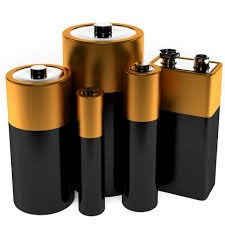
Batteries, dry cell: Alkaline, nickel metal hydride, nickel cadmiu
Requires airline approval: NO
Check Baggage: YES
Carry-on Baggage: YES
This covers typical non-lithium dry batteries (alkaline, nickel metal hydride, nickel cadmium, etc.) in the most common sizes: AA, AAA, C, D, button cell, 9-volt, etc.
Quantity limits: None
Batteries must be protected from damage.
Battery terminals (usually the ends) must be protected from short circuit (i.e., the terminals must not come in contact with other metal). Methods include: leaving the batteries in their retail packaging, covering battery terminals with tape, using a battery case, using a battery sleeve/pocket in a camera bag, or putting them snugly in a plastic bag or protective pouch.
Batteries, Spare/loose, including lithium metal or lithium ion cells or batteries
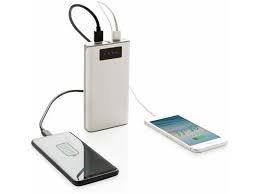
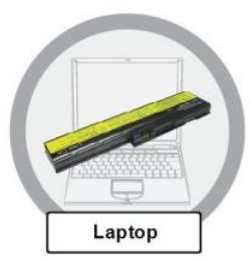
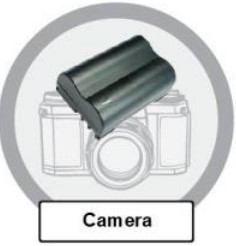
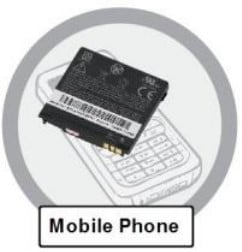
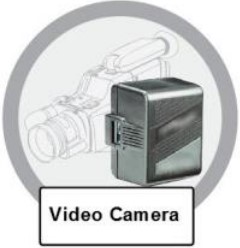
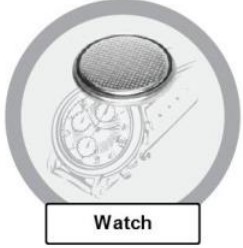
Batteries, Spare/loose, including lithium metal or lithium ion cells or batteries Rechargeable and non-rechargeable lithium batteries, nickel-metal hydride batteries, dry batteries, cell phone batteries, laptop batteries
Requires airline approval: NO The airline may approve the carriage more than 20 batteries
Check Baggage: NO
Carry-on Baggage: YES
Detail: Articles which have the primary purpose as a power source
e.g. power bank considered as spare batteries.
Spare (uninstalled) lithium ion and lithium metal batteries, nickel-metal hydride batteries and dry batteries must be carried in carry-on baggage only. When a carry-on bag is checked at the gate or at planeside, all spare lithium batteries must be removed from the bag and kept with the passenger as carry-on baggage. The battery terminals must be protected from short circuit.
This covers spare lithium metal and spare rechargeable lithium ion batteries for personal electronics such as cameras, cell phones, laptop computers, tablets, watches, calculators, etc. This also includes external battery chargers (portable rechargers) containing a lithium ion battery. For lithium batteries that are installed in a device (laptop, cell phone, camera, etc.), see the entry for “portable electronic devices, containing batteries” in this chart.
Batteries must be protected from damage.
Battery terminals (usually the ends) must be protected from short circuit (i.e., the terminals must not come in contact with other metal). Methods include: leaving the batteries in their retail packaging, covering battery terminals with tape, using a battery case, using a battery sleeve in a camera bag, or putting them snugly in a plastic bag or protective pouch.
Size limits: Lithium metal (non-rechargeable) batteries are limited to 2 grams of lithium per battery. Lithium ion (rechargeable) batteries are limited to a rating of 100 watt hours (Wh) per battery. These limits allow for nearly all types of lithium batteries used by the average person in their electronic devices. With airline approval, passengers may also carry up to two spare larger lithium ion batteries (101-160 watt hours). This size covers the larger after-market extended-life laptop computer batteries and some larger batteries used in professional audio/visual equipment.
Quantity limits: Each person is limited to a maximum of 20 spare batteries. – but batteries must be for use by the passenger. Batteries carried for further sale or distribution (vendor samples, etc.) are prohibited. There is a limit of two spare batteries per person for the larger lithium ion batteries described above (101-160 watt hours per battery).
RECALLED BATTERIES AND DEVICES:
Tip: *Watt hours (Wh) = Volts (v) x Amp hours (Ah). When milliamp hours (mAh) are given, divide by 1000 to get Amp hours (Ah).
Batteries, non-spillable
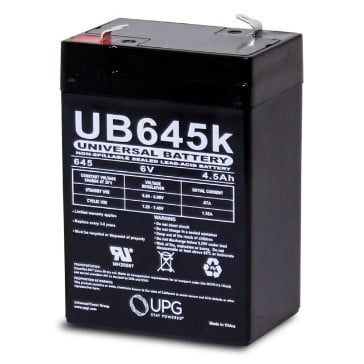
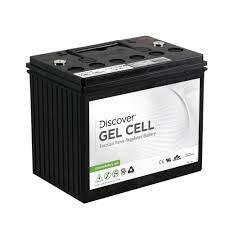
Batteries, non-spillable: Small gel cell and absorbed electrolyte batteries for portable electronics
Requires airline approval: YES
Check Baggage: YES
Carry-on Baggage: NO
Detail: This entry is for nonspillable batteries with absorbed electrolyte (gel cell, absorbed glass mat, etc.) used in portable electronic devices. It does not cover large vehicle batteries. For battery-powered wheelchairs and mobility devices, see separate entry in this table.
The battery voltage must not exceed 12 volts and the battery watt hour rating must not exceed 100 watt hours. To calculate watt hours (Wh), multiply the battery’s voltage (V) x Amp hours (Ah).
Quantity limits: No more than two spare (not installed in device/equipment) batteries may be carried. Spare/uninstalled batteries must be in strong packaging. Battery and outer packaging must be marked “nonspillable” or “nonspillable battery.” Battery-powered equipment must be protected against accidental activation.
Electronic cigarettes, vaping devices
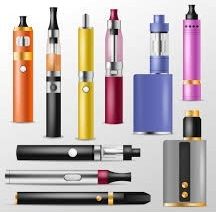
Electronic cigarettes, vaping devices: Battery-powered E-cigarettes, vaporizers, vape pens, atomizers, electronic nicotine delivery systems
Requires airline approval: NO
Check Baggage: NO
Carry-on Baggage: YES
Detail: These devices are battery powered and have a heating element that vaporizes liquid (that may or may not contain nicotine). These devices are prohibited in checked baggage and may only be carried in the aircraft cabin (in carry-on baggage or on your person). They may not be used or charged on the aircraft. When a carry-on bag is checked at the gate or planeside, all electronic cigarette and vaping devices, along with any spare lithium batteries, must be removed from the bag and kept with the passenger in the aircraft cabin.
WARNING: Lithium batteries must be handled with extreme care. Lithium batteries must be compatible with the device. Installed batteries must not be more powerful than what the device is designed for. Homemade “modified” battery packs–whether installed in a device or carried as a spare–are forbidden on aircraft. Spare (uninstalled) lithium batteries must be placed in carry-on baggage. See separate entry in this table for spare lithium batteries.
Note: Electronic cigarettes are illegal in Thailand Kingdom.
Electronic shock weapons
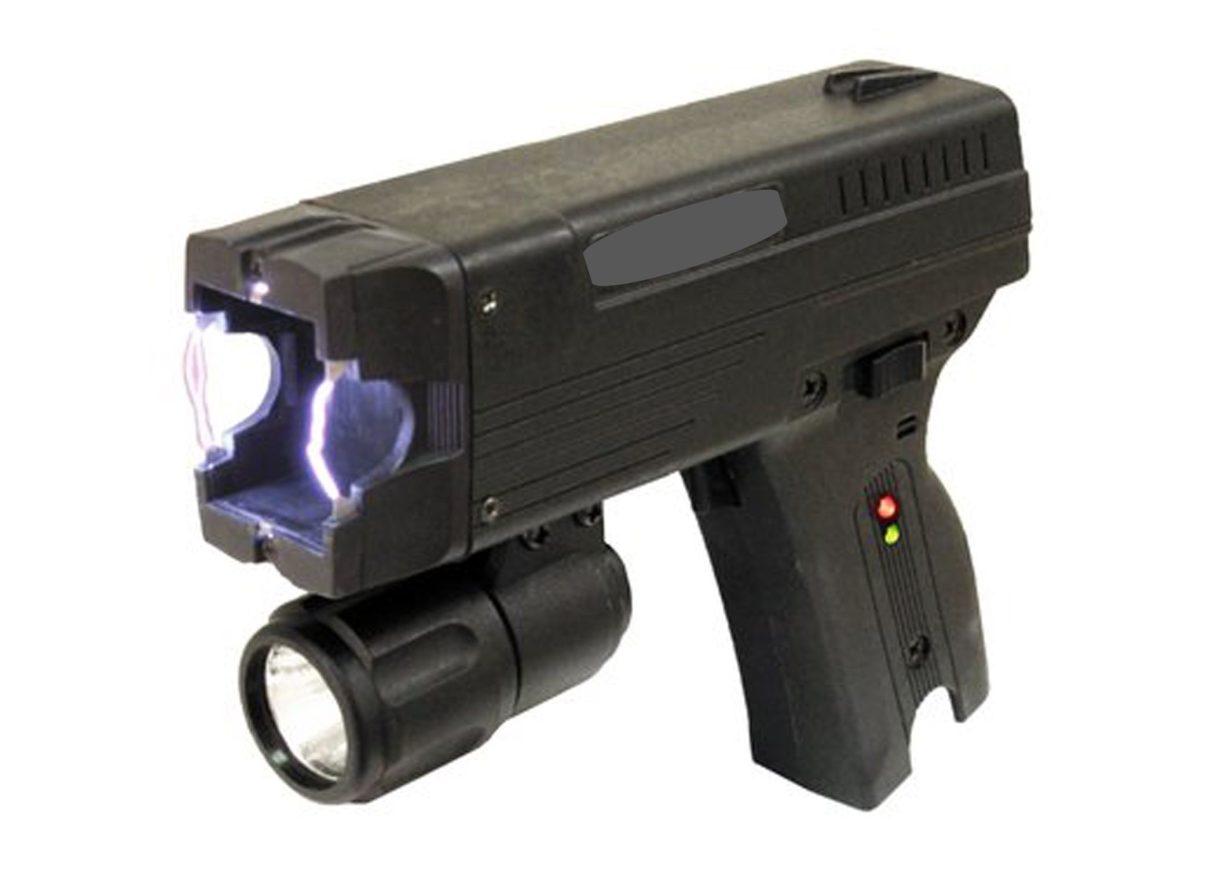
Electronic shock weapons (e.g. Tasers)
Requires airline approval: FORBIDDEN
Check Baggage: FORBIDDEN
Carry-on Baggage: FORBIDDEN
Detail: containing dangerous goods such as explosives, compressed gases, lithium batteries, etc. are forbidden in carry-on baggage and checked baggage or on the person
Fuel Cells containing flammable gases or water-reactive material
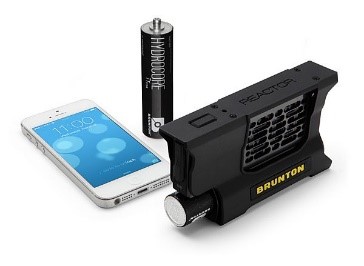
Requires airline approval: NO
Check Baggage: NO
Carry-on Baggage: YES
Quantity limits: No limit on devices. Two spare fuel cell cartridges may be carried. Fuel cell cartridges may be changed out in the device but empty fuel cells and fuel cell cartridges may not be refilled with fuel while on the aircraft. Each fuel cell must also be marked “Approved for carriage in aircraft cabin only”. Each fuel cell cartridge (not the electronic device) must be marked with the maximum quantity and type of fuel in the cartridge.
Fuel cells containing flammable liquid or corrosive material
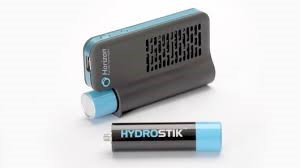
Requires airline approval: NO
Check Baggage: YES
Carry-on Baggage: YES
Quantity limits: None for devices. Two spare fuel cell cartridges may be carried. Fuel cell cartridges may be changed out in the device but empty fuel cells and fuel cell cartridges may not be refilled with fuel while on the aircraft. Each fuel cell must also be marked “Approved for carriage in aircraft cabin only”. Each fuel cell cartridge (not the electronic device) must be marked with the maximum quantity and type of fuel in the cartridge.
Heat producing articles
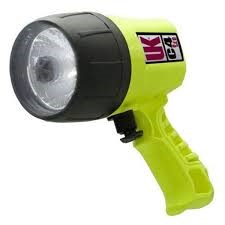
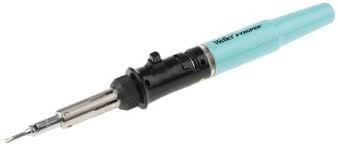
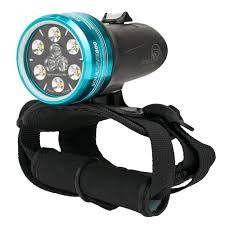
Heat producing articles: Diving lamps, soldering equipment
Requires airline approval: YES
Check Baggage: YES
Carry-on Baggage: YES
Quantity limits: None
Requires airline approval.
Many battery-operated devices such as lamps/lights used in scuba diving and soldering tools can produce intense heat capable of starting a fire if the device is accidentally activated. These are allowed in checked and carry-on baggage, with airline approval, when a component (battery, fuse, heat element) is removed to prevent accidental activation and generation of heat.
If the battery has been completely removed then the device is not restricted as a hazardous material. However, if carrying the battery separately, it must be packaged and protected from damage and short circuit. See the separate entries for batteries in this table.
Portable electronic devices (PED), containing lithium metal or lithium ion cells or batteries

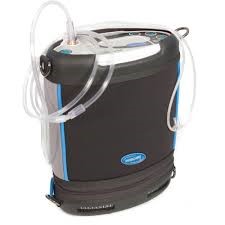
Portable electronic devices (PED), containing lithium metal or lithium ion cells or batteries, including medical devices such as portable oxygen concentrators (POC), Cell phones, laptop, camera, smart phones, PDAs containing lithium batteries
Requires airline approval: NO The airline may approve the carriage of more than 15 PED
Check Baggage: YES
Carry-on Baggage: YES
Quantity limits: Each person is limited to a maximum of 15 PED.
Spare batteries must be protected from damage and short circuit. see Batteries, Spare/loose, including lithium metal or lithium ion cells or batteries.
Most consumer personal electronic devices containing batteries are allowed in carry-on and checked baggage, including but not limited to cell phones, smart phones, PDAs, electronic games, tablets, laptop computers, cameras, camcorders, watches, calculators, etc. This covers typical dry cell batteries and lithium metal and lithium ion batteries for consumer electronics (AA, AAA, C, D, button cell, camera batteries, laptop batteries, etc.)
Devices containing lithium metal or lithium ion batteries (laptops, smartphones, tablets, etc.) should be carried in carry-on baggage when possible. When these devices must be carried in checked baggage, they should be turned completely off, protected from accidental activation, and packed so they are protected from damage.
Spare (uninstalled) lithium metal and lithium ion batteries are always prohibited in checked baggage and must be placed in carry-on. When a carry-on bag is checked at the gate or at planeside, any spare lithium batteries must be removed from the bag and kept with the passenger in the aircraft cabin.
Portable recreational vehicles powered by lithium ion batteries
Spare Fuel cells and cartridges
Baggage with installed lithium batteries
Wheelchairs and mobility devices with lithium ion batteries, collapsible design, battery removed
Wheelchairs and mobility devices with lithium ion batteries, normal design, battery installed
Wheelchairs and mobility devices with non-spillable or dry batteries
Wheelchairs and mobility devices with spillable batteries
4.Assistive Devices
5.Outdoors
6.Miscellaneous
7.Hidden Dangerous Goods
8.GHS
Dangerous Goods, including excepted packages of radioactive material, are forbidden for carriage by passenger or crew
- as or in checked baggage;
- as or in carry-on baggage; or
- on person;
except as permitted on above dangerous goods lists for personal use.
For more information on dangerous goods, Please contact us:
Flight Operations Standards Department (OPS), Dangerous Goods Standards Division, The Civil Aviation Authority of Thailand
222 Soi Vibhavadi Rangsit 28, Vibhavadi Rangsit Road, Chatuchak, Chatuchak, Bangkok, Thailand 10900
TEL: 02-568-8800 ext.8843 or 0612
Mobile: 063-2058838 (Mon-Fri, 08:30-16:30 LT)
Email: [email protected]
Simply scan the QR Code to save this page on your phone