

รายการวัตถุอันตรายสำหรับผู้โดยสารในการนำขึ้นบนอากาศยาน
List of Dangerous Goods may be carried by passenger or crew
Dangerous Goods are articles or substances which are capable of posing a hazard to health, safety, property or the environment.
Dangerous goods discovered that are improperly packaged, not permitted in baggage, leaking, or hidden/artfully concealed are subject to civil and criminal penalties as appropriate.
Check the item list to see which common dangerous goods are allowed in checked and/or carry-on baggage and which are forbidden to carry. The checked baggage rules also apply to carry-on bags that are checked at the boarding gate or at ramp site.
Remember !! this is just a listing of common dangerous goods that may be limited by airline policies, if you don’t see your item here it doesn’t mean it’s allowed in baggage. Please contact and check with your airline for their policies and conditions.
1.Medicinal & Toiletry
Curling irons (Cordless) Cordless curling iron containing a gas cartridge, butane fueled curling irons
Duty free perfume and cologne Perfumes and colognes purchased through airport and airline duty free shops
Implanted medical device, ingested or injected radiopharmaceuticals Heart pacemakers, radioactive medicines in the body, etc
Medical-clinical mercury thermometer Small medical thermometer
Medicinal & toiletry articles, Non-Toxic aerosols in Division 2.2, Non-Flammable Including hairspray, aerosols, rubbing alcohol, inhalers, nail polish and remover, etc.
Curling irons (Cordless)
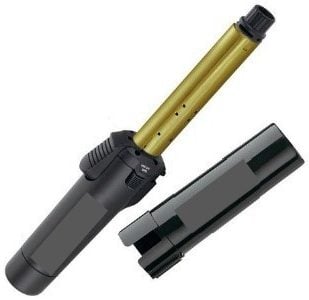
Curling irons (Cordless): Cordless curling iron containing a gas cartridge, butane fueled curling irons
Requires airline approval: NO
Check Baggage: YES
Carry-on Baggage: YES
Quantity limits: One per person in check baggage and carry-on baggage.
A safety cover must be securely fitted over the heating element. The device must be protected from accidental activation.
Gas refills (spare cartridges) are not permitted.Electric curling irons and hair straighteners (cord plugs into an electric outlet) are not restricted.
Duty free perfume and cologne

Duty free perfume and cologne: Perfumes and colognes purchased through airport and airline duty free shops
Requires airline approval: NO
Check Baggage: YES
Carry-on Baggage: YES
Quantity limits: N/A – Because these are typically purchased at the airport or even on the aircraft, the quantity restrictions for toiletry articles do not apply here. However, quantities are generally regulated by customs/duty rules.
Note: For perfumes and cologne not purchased through duty-free sales, see the entry for Medicinal and Toiletry Articles.
Implanted medical device, ingested or injected radiopharmaceuticals
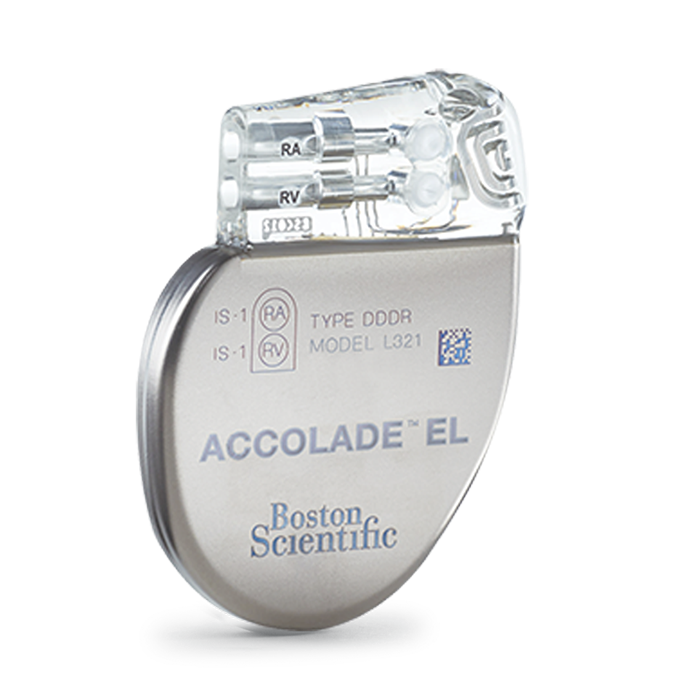
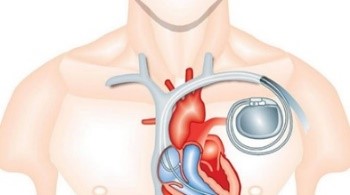
Implanted medical device, ingested or injected radiopharmaceuticals: Heart pacemakers, radioactive medicines in the body, etc
Requires airline approval: NO
Check Baggage: NO
Carry-on Baggage: ON ONE’S PERSON
Quantity limits: N/A
Examples include heart pacemakers that contain radioactive materials or lithium batteries and radiopharmaceuticals that have been ingested, injected, or implanted.
Medical-clinical mercury thermometer
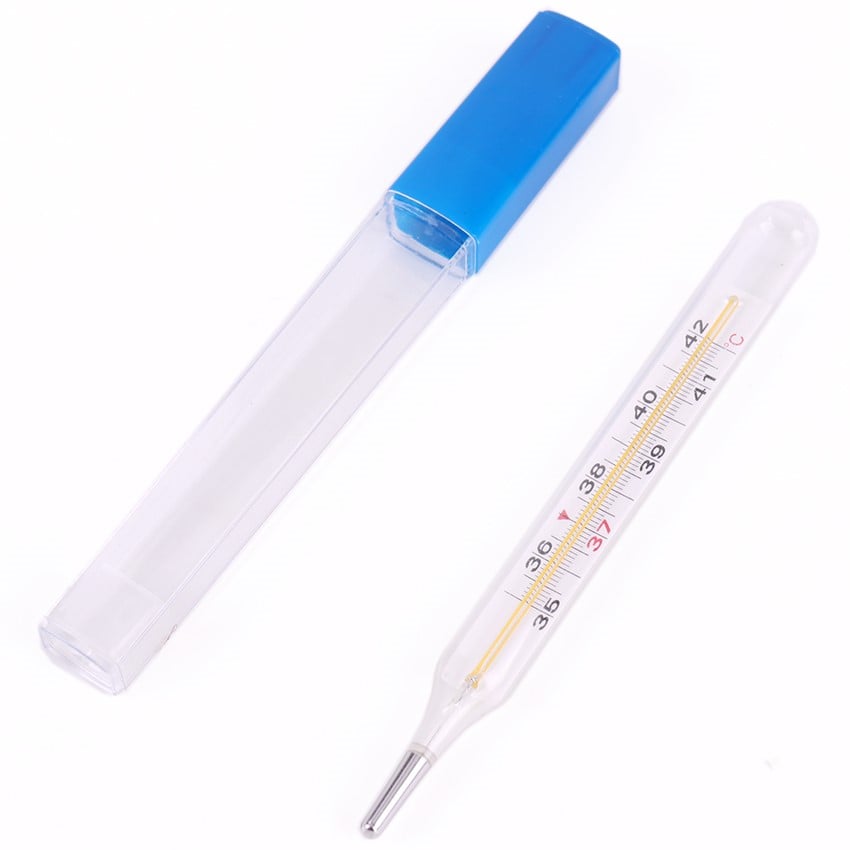
Medical-clinical mercury thermometer: Small medical thermometer
Requires airline approval: NO
Check Baggage: YES
Carry-on Baggage: NO
Quantity limits: One small clinical/medical mercury thermometer.
The thermometer must be in a protective case.
Tip: Thermometers with a red line instead of silver are not mercury and not restricted. Digital thermometers are also not restricted.
Medicinal & toiletry articles, Non-Toxic aerosols in Division 2.2, Non-Flammable

Medicinal & toiletry articles, Non-Toxic aerosols in Division 2.2, Non-Flammable: Including hairspray, aerosols, rubbing alcohol, inhalers, nail polish and remover, etc.
Requires airline approval: NO
Check Baggage: YES
Carry-on Baggage: YES
For personal use including aerosols, hair spray, perfumes, colognes, nail polish, rubbing alcohol, shaving cream, inhalers, medicines.
Quantity limits: The total aggregate quantity per person cannot exceed 2 kg (70 ounces) or 2 L (68 fluid ounces). The capacity of each container must not exceed 0.5 kg (18 ounces) or 500 ml (17 fluid ounces).*
This exception includes medicinal and toiletry articles in aerosol canisters. Aerosol release devices (button/nozzle) must be protected by caps or other suitable means to prevent accidental release.
This entry does not cover radioactive materials. See entry for “Implanted medical devices” for radioactive medicines and medical devices.
2.Matches & Lighter
Lighters Unabsorbed liquid (desk/table lighters, antique wick lighters), Absorbed liquids, butane (Zippo type lighters and disposable lighters)
Matches (safety and strike anywhere) Safety matches, waterproof matches
Lighters a small cigarette lighter
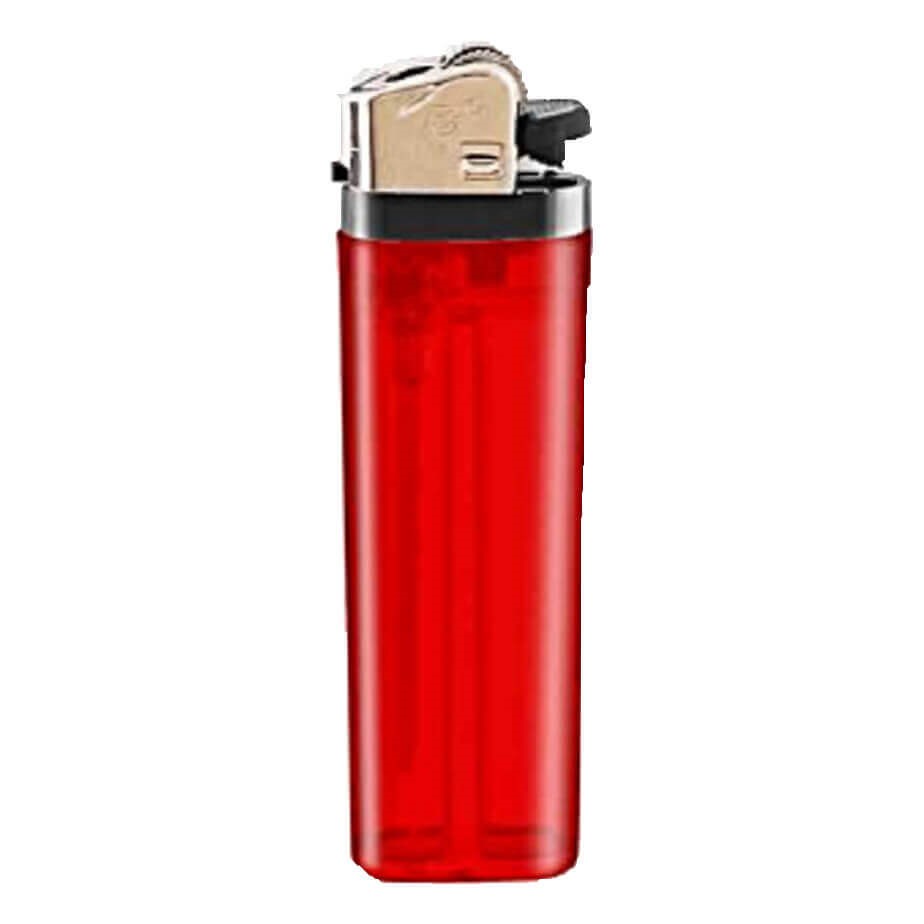
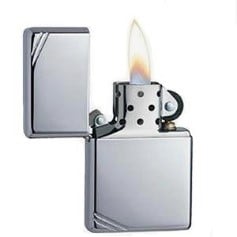
Lighters a small cigarette lighter: Unabsorbed liquid (desk/table lighters, antique wick lighters), Absorbed liquids, butane (Zippo type lighters and disposable lighters)
Requires airline approval: ON ONE’S PERSON
Check Baggage: ON ONE’S PERSON
Carry-on Baggage: ON ONE’S PERSON
Quantity Limitations: Check with your airline policy
Lighters that use liquid fuel but do not have an absorbent lining are forbidden.
Absorbed liquid and butane lighters are limited to one lighter per passenger in carry-on or on one’s person. When a carry-on bag is checked at the gate or at planeside, any lighter in the carry-on must be removed from the bag and kept with the passenger in the aircraft cabin.
Blue flame, Cigar lighter, lighter power by the lithium batteries without safety cap
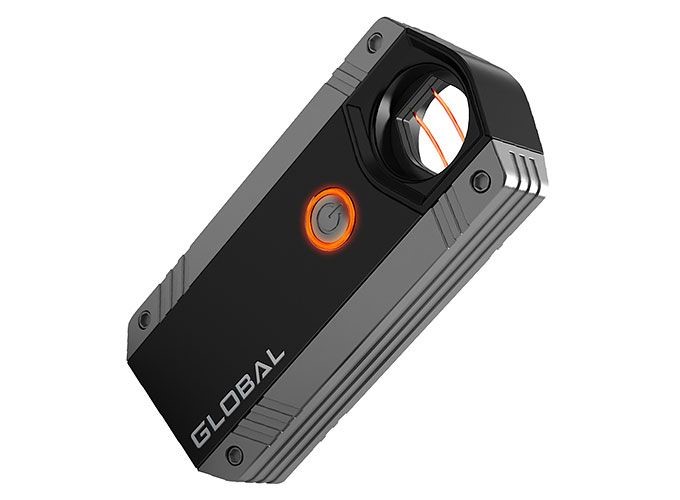
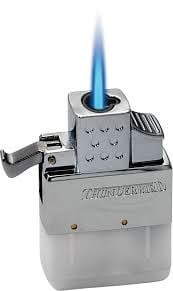
Blue flame, Cigar lighter, lighter power by the lithium batteries without safety cap
Requires airline approval: FORBIDDEN
Check Baggage: FORBIDDEN
Carry-on Baggage: FORBIDDEN
Detail: Butane torch lighters (a.k.a. blue flame lighters, jet flame lighters) are not allowed in the cabin
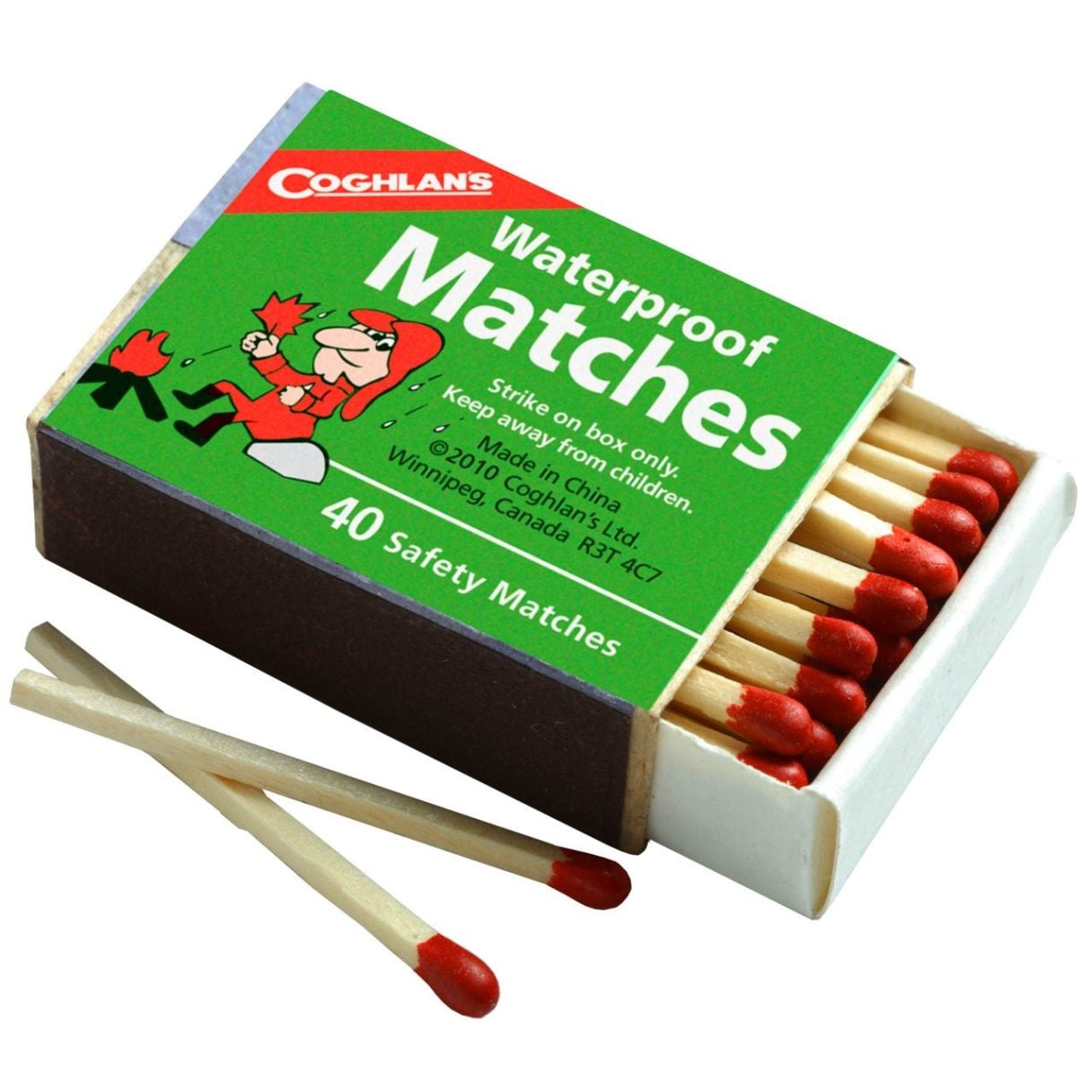
Safety matches, waterproof matches
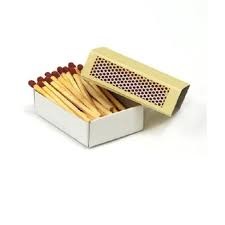
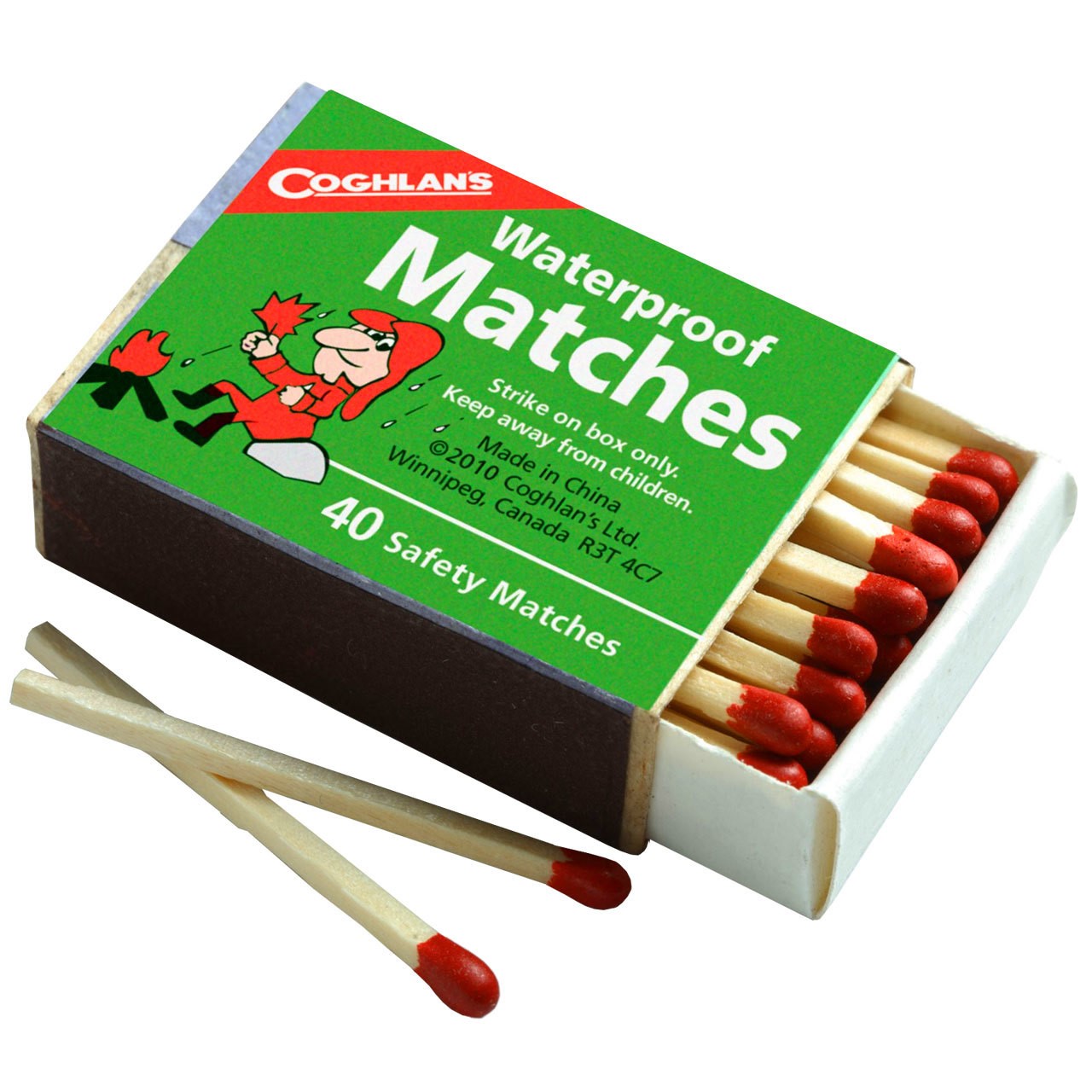
Safety matches, waterproof matches
Requires airline approval: ON ONE’S PERSON
Check Baggage: ON ONE’S PERSON
Carry-on Baggage: ON ONE’S PERSON
Quantity Limits: One book/packet of matches in carry-on or on the person. When a carry-on bag is checked at the gate or at planeside, any matches in the carry-on must be removed from the bag and kept with the passenger in the aircraft cabin.
Strike anyway Matches
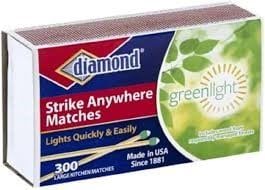
Strike anyway Matches
Requires airline approval: FORBIDDEN
Check Baggage: FORBIDDEN
Carry-on Baggage: FORBIDDEN
Quantity Limits: Strike-anywhere matches are forbidden in carry-on and checked baggage.
3.Batteries, Electronics and Power Bank
Batteries, dry cell Alkaline, nickel metal hydride, nickel cadmium
Batteries, Spare/loose, including lithium metal or lithium ion cells or batteries Rechargeable and non-rechargeable lithium batteries, cell phone batteries, laptop batteries
Batteries, non spillable Small gel cell and absorbed electrolyte batteries for portable electronics
Electronic cigarettes, vaping devices Battery-powered E-cigarettes, vaporizers, vape pens, atomizers, electronic nicotine delivery systems
Electronic shock weapons (e.g. Tasers)
Fuel Cells containing flammable gases or water-reactive material
Fuel cells containing flammable liquid or corrosive material
Heat producing articles Diving lamps, soldering equipment
Portable electronic devices (PED), containing lithium metal or lithium ion cells or batteries, including medical devices such as portable oxygen concentrators (POC), Cell phones, laptop, camera, smart phones, PDAs containing lithium batteries
Portable recreational vehicles powered by lithium ion batteries Hover boards, self-balancing scooters, unicycle scooters, etc
Spare Fuel cells and cartridges
Power bank
Baggage with installed lithium batteries
Wheelchairs and mobility devices with lithium ion batteries, collapsible design, battery removed Electric wheelchair, mobility scooter
Wheelchairs and mobility devices with lithium ion batteries, normal design, battery installed Electric wheelchair, mobility scooter
Wheelchairs and mobility devices with non-spillable or dry batteries Electric wheelchair, mobility scooter
Wheelchairs and mobility devices with spillable batteries Electric wheelchair, mobility scooter
Batteries, dry cell
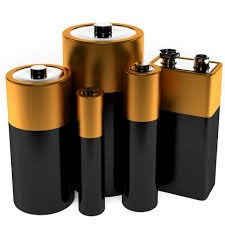
Batteries, dry cell: Alkaline, nickel metal hydride, nickel cadmiu
Requires airline approval: NO
Check Baggage: YES
Carry-on Baggage: YES
This covers typical non-lithium dry batteries (alkaline, nickel metal hydride, nickel cadmium, etc.) in the most common sizes: AA, AAA, C, D, button cell, 9-volt, etc.
Quantity limits: None
Batteries must be protected from damage.
Battery terminals (usually the ends) must be protected from short circuit (i.e., the terminals must not come in contact with other metal). Methods include: leaving the batteries in their retail packaging, covering battery terminals with tape, using a battery case, using a battery sleeve/pocket in a camera bag, or putting them snugly in a plastic bag or protective pouch.
Batteries, Spare/loose, including lithium metal or lithium ion cells or batteries (Exclude Power Bank)
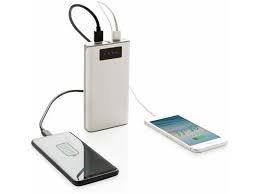
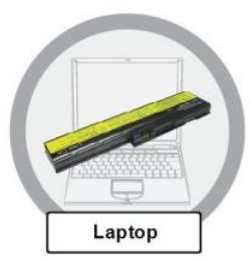
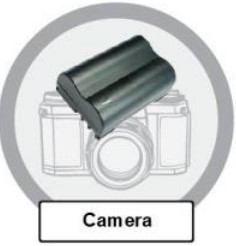
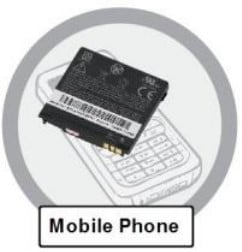
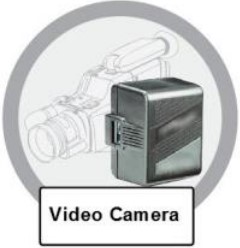
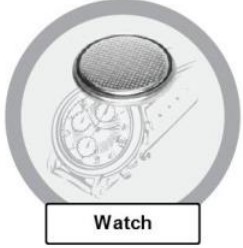
Batteries, Spare/loose, including lithium metal or lithium ion cells or batteries Rechargeable and non-rechargeable lithium batteries, nickel-metal hydride batteries, dry batteries, cell phone batteries, laptop batteries
Requires airline approval: NO The airline may approve the carriage more than 20 batteries
Check Baggage: NO
Carry-on Baggage: YES
Detail: Articles which have the primary purpose as a power source
Note: Power bank is not considered as spare batteries. (See Power Bank)
Spare (uninstalled) lithium ion and lithium metal batteries, nickel-metal hydride batteries and dry batteries must be carried in carry-on baggage only. When a carry-on bag is checked at the gate or at planeside, all spare lithium batteries must be removed from the bag and kept with the passenger as carry-on baggage. The battery terminals must be protected from short circuit.
This covers spare lithium metal and spare rechargeable lithium ion batteries for personal electronics such as cameras, cell phones, laptop computers, tablets, watches, calculators, etc. This also includes external battery chargers (portable rechargers) containing a lithium ion battery. For lithium batteries that are installed in a device (laptop, cell phone, camera, etc.), see the entry for “portable electronic devices, containing batteries” in this chart.
Batteries must be protected from damage.
Battery terminals (usually the ends) must be protected from short circuit (i.e., the terminals must not come in contact with other metal). Methods include: leaving the batteries in their retail packaging, covering battery terminals with tape, using a battery case, using a battery sleeve in a camera bag, or putting them snugly in a plastic bag or protective pouch.
Size limits: Lithium metal (non-rechargeable) batteries are limited to 2 grams of lithium per battery. Lithium ion (rechargeable) batteries are limited to a rating of 100 watt hours (Wh) per battery. These limits allow for nearly all types of lithium batteries used by the average person in their electronic devices. With airline approval, passengers may also carry up to two spare larger lithium ion batteries (101-160 watt hours). This size covers the larger after-market extended-life laptop computer batteries and some larger batteries used in professional audio/visual equipment.
Quantity limits: Each person is limited to a maximum of 20 spare batteries. – but batteries must be for use by the passenger. Batteries carried for further sale or distribution (vendor samples, etc.) are prohibited. There is a limit of two spare batteries per person for the larger lithium ion batteries described above (101-160 watt hours per battery).
RECALLED BATTERIES AND DEVICES:
Tip: *Watt hours (Wh) = Volts (v) x Amp hours (Ah). When milliamp hours (mAh) are given, divide by 1000 to get Amp hours (Ah).
See more information at The Regulation of the Civil Aviation Authority of Thailand On Rules, Procedures, and Conditions for Carrying Lithium Batteries on Aircraft
Batteries, non-spillable
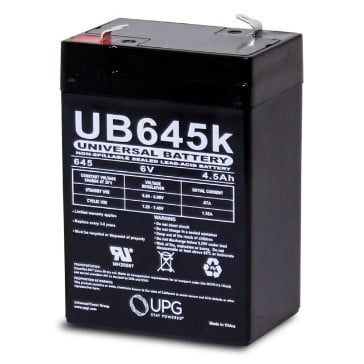
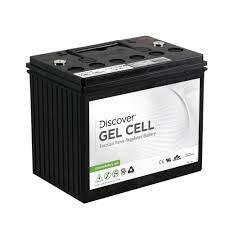
Batteries, non-spillable: Small gel cell and absorbed electrolyte batteries for portable electronics
Requires airline approval: YES
Check Baggage: YES
Carry-on Baggage: NO
Detail: This entry is for nonspillable batteries with absorbed electrolyte (gel cell, absorbed glass mat, etc.) used in portable electronic devices. It does not cover large vehicle batteries. For battery-powered wheelchairs and mobility devices, see separate entry in this table.
The battery voltage must not exceed 12 volts and the battery watt hour rating must not exceed 100 watt hours. To calculate watt hours (Wh), multiply the battery’s voltage (V) x Amp hours (Ah).
Quantity limits: No more than two spare (not installed in device/equipment) batteries may be carried. Spare/uninstalled batteries must be in strong packaging. Battery and outer packaging must be marked “nonspillable” or “nonspillable battery.” Battery-powered equipment must be protected against accidental activation.
Electronic cigarettes, vaping devices
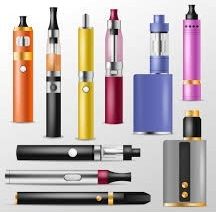
Electronic cigarettes, vaping devices: Battery-powered E-cigarettes, vaporizers, vape pens, atomizers, electronic nicotine delivery systems
Requires airline approval: NO
Check Baggage: NO
Carry-on Baggage: YES
Detail: These devices are battery powered and have a heating element that vaporizes liquid (that may or may not contain nicotine). These devices are prohibited in checked baggage and may only be carried in the aircraft cabin (in carry-on baggage or on your person). They may not be used or charged on the aircraft. When a carry-on bag is checked at the gate or planeside, all electronic cigarette and vaping devices, along with any spare lithium batteries, must be removed from the bag and kept with the passenger in the aircraft cabin.
WARNING: Lithium batteries must be handled with extreme care. Lithium batteries must be compatible with the device. Installed batteries must not be more powerful than what the device is designed for. Homemade “modified” battery packs–whether installed in a device or carried as a spare–are forbidden on aircraft. Spare (uninstalled) lithium batteries must be placed in carry-on baggage. See separate entry in this table for spare lithium batteries.
Note: Electronic cigarettes are illegal in Thailand Kingdom.
Electronic shock weapons
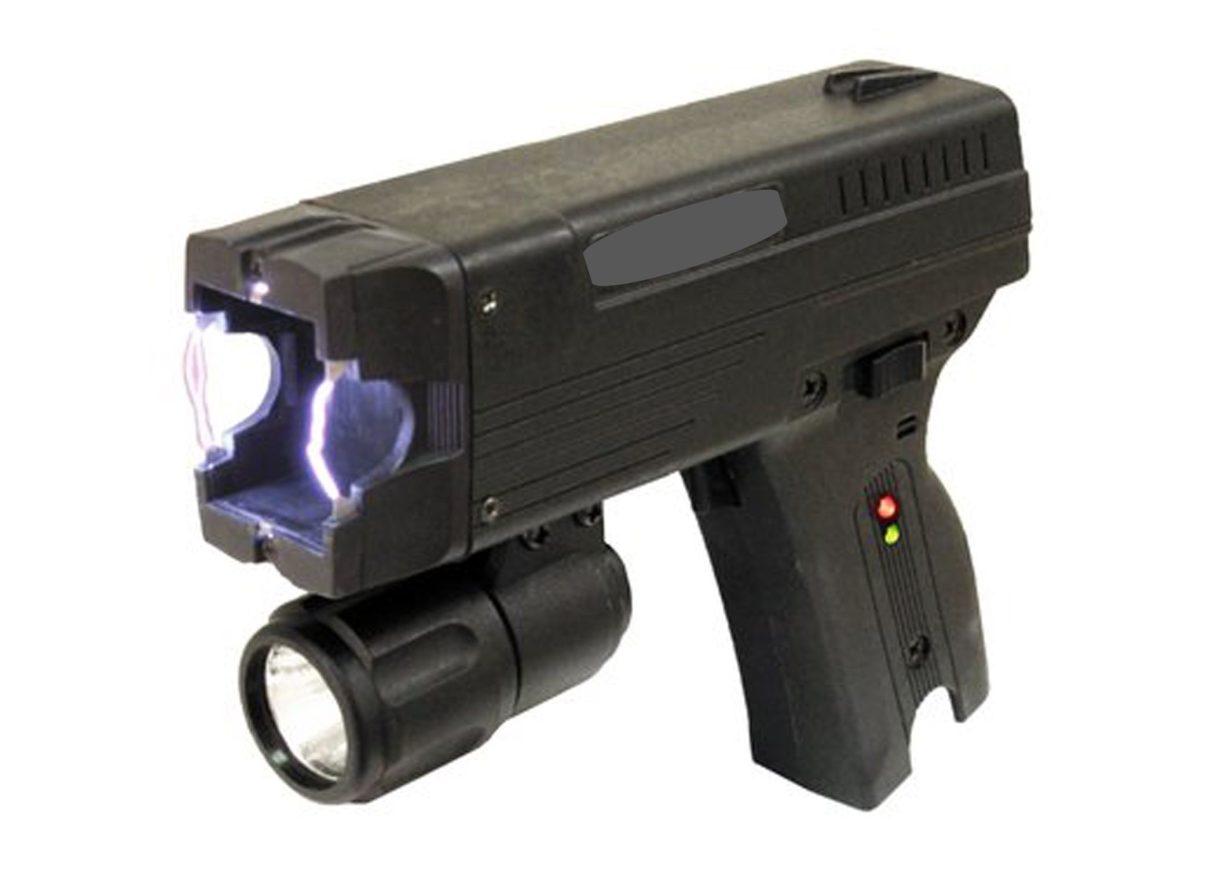
Electronic shock weapons (e.g. Tasers)
Requires airline approval: FORBIDDEN
Check Baggage: FORBIDDEN
Carry-on Baggage: FORBIDDEN
Detail: containing dangerous goods such as explosives, compressed gases, lithium batteries, etc. are forbidden in carry-on baggage and checked baggage or on the person
Fuel Cells containing flammable gases or water-reactive material
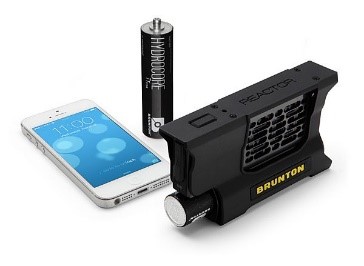
Requires airline approval: NO
Check Baggage: NO
Carry-on Baggage: YES
Quantity limits: No limit on devices. Two spare fuel cell cartridges may be carried. Fuel cell cartridges may be changed out in the device but empty fuel cells and fuel cell cartridges may not be refilled with fuel while on the aircraft. Each fuel cell must also be marked “Approved for carriage in aircraft cabin only”. Each fuel cell cartridge (not the electronic device) must be marked with the maximum quantity and type of fuel in the cartridge.
Fuel cells containing flammable liquid or corrosive material
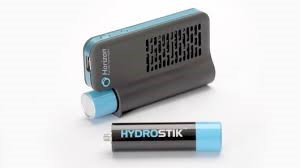
Requires airline approval: NO
Check Baggage: YES
Carry-on Baggage: YES
Quantity limits: None for devices. Two spare fuel cell cartridges may be carried. Fuel cell cartridges may be changed out in the device but empty fuel cells and fuel cell cartridges may not be refilled with fuel while on the aircraft. Each fuel cell must also be marked “Approved for carriage in aircraft cabin only”. Each fuel cell cartridge (not the electronic device) must be marked with the maximum quantity and type of fuel in the cartridge.
Heat producing articles
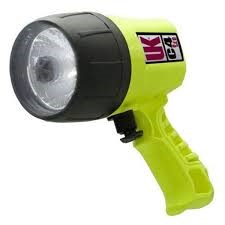
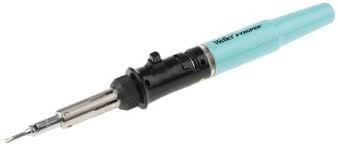
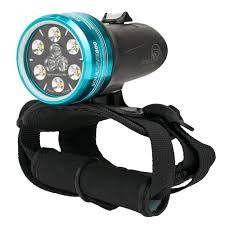
Heat producing articles: Diving lamps, soldering equipment
Requires airline approval: YES
Check Baggage: YES
Carry-on Baggage: YES
Quantity limits: None
Requires airline approval.
Many battery-operated devices such as lamps/lights used in scuba diving and soldering tools can produce intense heat capable of starting a fire if the device is accidentally activated. These are allowed in checked and carry-on baggage, with airline approval, when a component (battery, fuse, heat element) is removed to prevent accidental activation and generation of heat.
If the battery has been completely removed then the device is not restricted as a hazardous material. However, if carrying the battery separately, it must be packaged and protected from damage and short circuit. See the separate entries for batteries in this table.
Portable electronic devices (PED), containing lithium metal or lithium ion cells or batteries
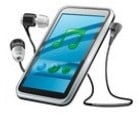

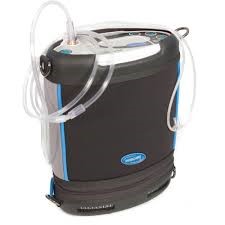
Portable electronic devices (PED), containing lithium metal or lithium ion cells or batteries, including medical devices such as portable oxygen concentrators (POC), Cell phones, laptop, camera, smart phones, PDAs containing lithium batteries
Requires airline approval: NO The airline may approve the carriage of more than 15 PED
Check Baggage: YES
Carry-on Baggage: YES
Quantity limits: Each person is limited to a maximum of 15 PED.
Spare batteries must be protected from damage and short circuit. see Batteries, Spare/loose, including lithium metal or lithium ion cells or batteries.
Most consumer personal electronic devices containing batteries are allowed in carry-on and checked baggage, including but not limited to cell phones, smart phones, PDAs, electronic games, tablets, laptop computers, cameras, camcorders, watches, calculators, etc. This covers typical dry cell batteries and lithium metal and lithium ion batteries for consumer electronics (AA, AAA, C, D, button cell, camera batteries, laptop batteries, etc.)
Devices containing lithium metal or lithium ion batteries (laptops, smartphones, tablets, etc.) should be carried in carry-on baggage when possible. When these devices must be carried in checked baggage, they should be turned completely off, protected from accidental activation, and packed so they are protected from damage.
Spare (uninstalled) lithium metal and lithium ion batteries are always prohibited in checked baggage and must be placed in carry-on. When a carry-on bag is checked at the gate or at planeside, any spare lithium batteries must be removed from the bag and kept with the passenger in the aircraft cabin.
Portable recreational vehicles powered by lithium ion batteries
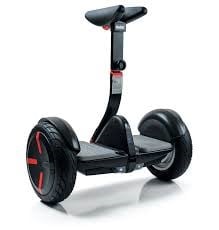
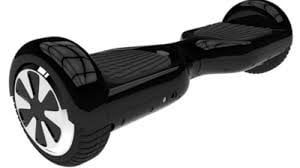
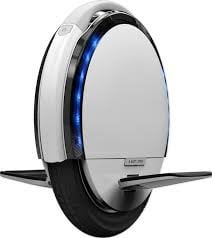
Portable recreational vehicles powered by lithium ion batteries Hover boards, self-balancing scooters, unicycle scooters, etc
Requires airline approval: See Details
Check Baggage: See Details
Carry-on Baggage: See Details
This entry is for recreational vehicles powered by lithium ion batteries. When battery-powered vehicles are used by those with a disability, please see the entry for “Wheelchairs and mobility devices…”
IMPORTANT: Contact your airline to see if they accept these recreational vehicles as carry-on or checked baggage. Many do not.
these devices may be carried like other portable electronic devices in checked or carry-on baggage under the following conditions:
- The airline must approve it. Airline approval is required for any lithium ion battery exceeding 100 watt hours (Wh).* The airline may choose to not accept the devices at all or may limit them to carry-on baggage.
- A device with a lithium ion battery that exceeds 160 watt hours (Wh) is prohibited as carry-on or checked baggage.
- Most board-type self-balancing scooters have a watt hour rating of about 158.4 Wh (36 volts x 4.4 Amp hours).
- Most unicycle scooters and Segway-type scooters have a battery that exceeds 160 Wh, and thus are prohibited.
- The device must be protected from accidental activation (the device cannot be accidentally turned on during transit).
- The device’s battery is protected from damage and short circuit.
An airline may require proof of the battery size (in watt hours) if it is not clearly marked on the outside of the device or on the outside of the package that the device is in. IATA guidance for airline staff can be found at IATA Website.
RECALLED BATTERIES AND DEVICES:
Lithium batteries recalled by the manufacturer/vendor must not be carried aboard aircraft or packed in baggage. Battery-powered devices recalled because of lithium battery safety concerns also should not be carried aboard aircraft or packed in baggage unless the device or its battery has been replaced, repaired or otherwise made safe per manufacturer/vendor instructions. The CAAT and your airline may offer further public guidance on individual recalled products.
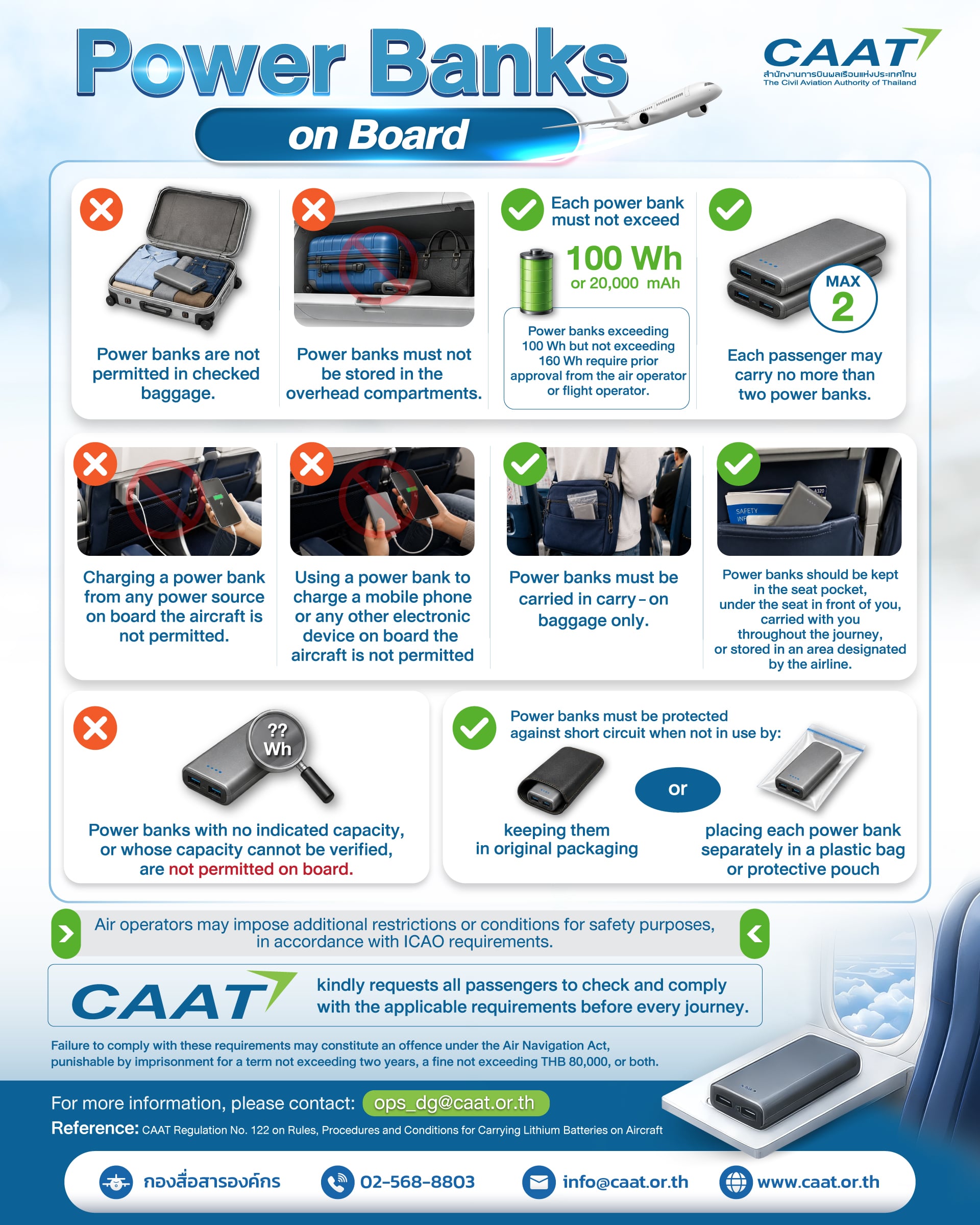
Power Bank
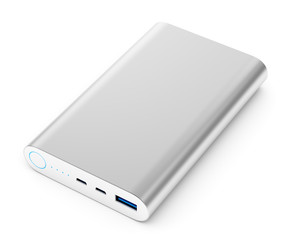
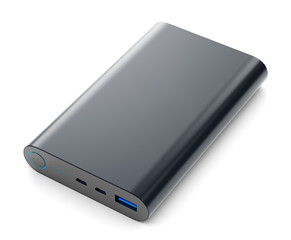
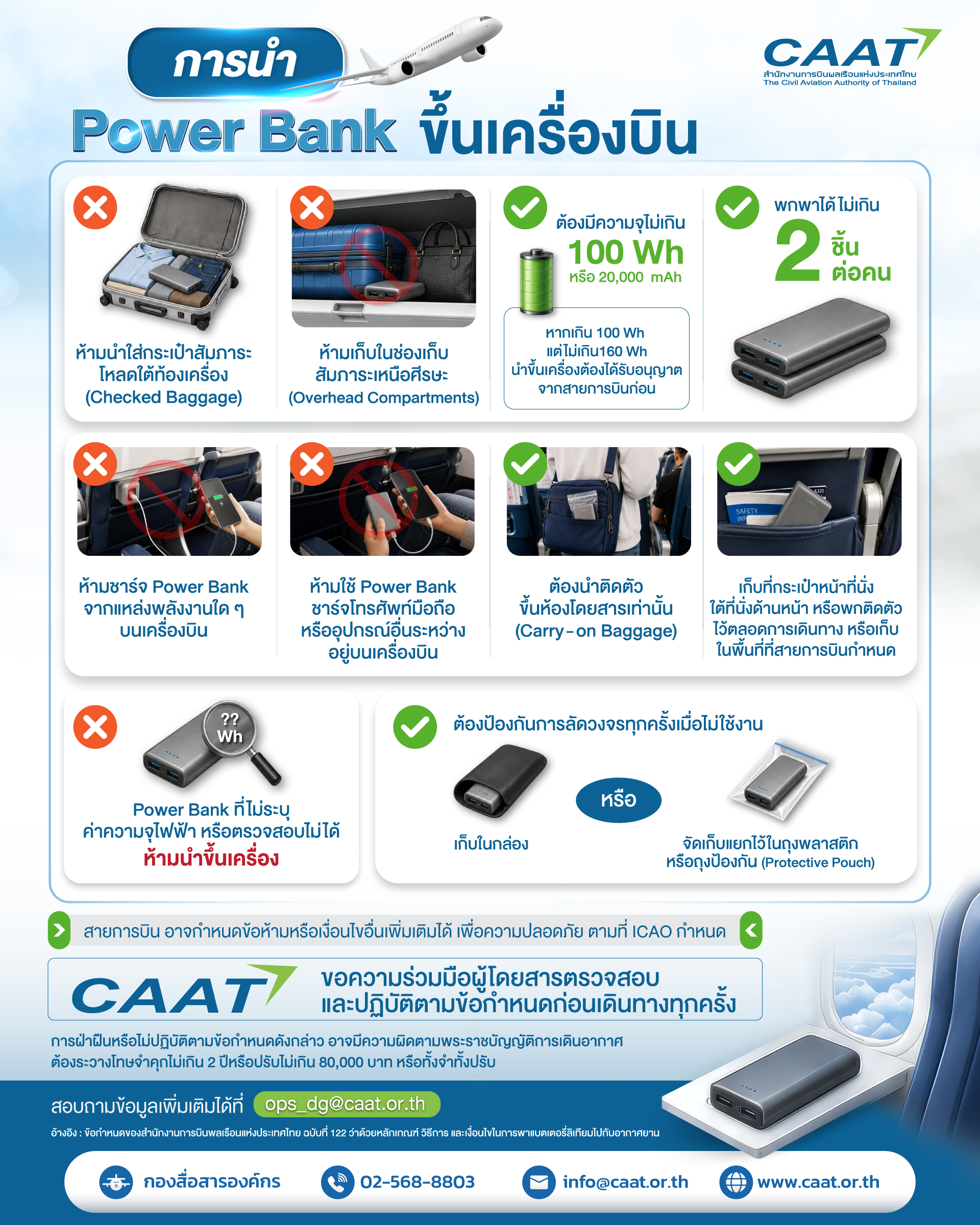
พาวเวอร์แบงค์ (Power Bank) หมายความว่า แบตเตอรี่ลิเธียมไอออนแบบพกพาที่ใช้เป็นแหล่งพลังงานสำรองสำหรับจ่ายพลังงานไฟฟ้าให้แก่อุปกรณ์อิเล็กทรอนิกส์อื่น เช่น โทรศัพท์มือถือ และมิได้เป็นส่วนหนึ่งของอุปกรณ์นั้น
อนุญาตจากสายการบิน : ในกรณี Power Bank ที่มีค่าพลังงานไฟฟ้าเกิน 100 วัตต์-ชั่วโมง (Wh) แต่ไม่เกิน 160 วัตต์-ชั่วโมง
สัมภาระติดตัว : ได้
สัมภาระถือขึ้นเครื่อง : ได้
สัมภาระลงทะเบียน : ไม่ได้
จำนวน : ไม่เกิน 2 เครื่อง/ คน
1. ต้องมีค่าพลังงานไฟฟ้าไม่เกิน 100 วัตต์-ชั่วโมง (Wh) และในกรณีที่มีค่าพลังงานไฟฟ้าเกิน 100 วัตต์-ชั่วโมง (Wh) แต่ไม่เกิน 160 วัตต์-ชั่วโมง (Wh) ต้องได้รับอนุญาตจากผู้ดำเนินการเดินอากาศหรือผู้ได้รับใบอนุญาตใช้อากาศยานส่วนบุคคล แล้วแต่กรณี
2. พาวเวอร์แบงค์ (Power Bank) ต้องระบุค่าพลังงานไฟฟ้า (Watt-hour: Wh) สำหรับแบตเตอรี่ลิเธียมไอออนอย่างชัดเจน
3. ต้องพาไปกับอากาศยานโดยนำติดตัว หรือ สัมภาระถือขึ้นเครื่องเท่านั้น
4. ห้ามทำการชาร์จพาวเวอร์แบงก์ (Power Bank) โดยการจ่ายไฟฟ้าเข้าสู่พาวเวอร์แบงค์ (Power Bank) จากแหล่งพลังงานใด ๆ ระหว่างที่อยู่บนอากาศยาน
5. ห้ามใช้พาวเวอร์แแบงค์ (Power Bank) เพื่อชาร์จโทรศัพท์มือถือหรืออุปกรณ์อิเล็กทรอนิกส์แบบพกพาระหว่างที่อยู่บนอากาศยาน ทั้งนี้ ผู้ดำเนินการเดินอากาศหรือหรือผู้ใช้อากาศยานส่วนบุคคล แล้วแต่กรณี อาจกำหนดข้อห้ามหรือเงื่อนไขเพิ่มเติมได้ตามความจำเป็นเพื่อความปลอดภัย
6. ผู้โดยสารหรือเจ้าหน้าที่ประจำอากาศยานหนึ่งคนสามารถพาพาวเวอร์แแบงค์ (Power Bank) ไปกับอากาศยานได้ไม่เกินคนละ 2 เครื่อง และ
7. ต้องมีการป้องกันพาวเวอร์แบงก์ (Power Bank) แต่ละเครื่องเพื่อไม่ให้เกิดการลัดวงจรเมื่อไม่ได้ใช้งาน โดยการบรรจุไว้ในบรรจุภัณฑ์เดิมของผู้ผลิต หรือโดยการหุ้มฉนวนที่ขั้วแบตเตอรี่ เช่น การปิดเทปทับขั้วแบตเตอรี่ หรือจัดเก็บพาวเวอร์แแบงค์ (Power Bank) แต่ละเครื่องแยกไว้ในถุงพลาสติกหรือถุงป้องกัน (Protective Pouch)
เพื่อความปลอดภัย ! ระหว่างที่อยู่บนอากาศยาน ให้ผู้โดยสารและเจ้าหน้าที่ประจำอากาศยาน ควรเก็บพาวเวอร์แบงค์ (Power Bank) ไว้ในที่ที่สามารถเข้าถึงได้ง่าย เช่น กระเป๋าที่นั่งด้านหน้า (Seat Pocket) หรือพกพาไว้กับตัวตลอดการเดินทาง ห้ามเก็บไว้ในช่องเก็บสัมภาระเหนือศีรษะ (Overhead Compartment) เพื่อให้สามารถดำเนินการได้อย่างทันท่วงทีในกรณีเกิดเหตุฉุกเฉิน
ศึกษาข้อมูลเพิ่มเติมได้ที่ ข้อกำหนดของสำนักงานการบินพลเรือนแห่งประเทศไทย ว่าด้วยหลักเกณฑ์ วิธีการ และเงื่อนไขในการพาแบตเตอรี่ลิเธียมไปกับอากาศยาน
“Power Bank” means a portable lithium-ion battery used as a secondary power source for supplying electrical power to other electronic devices, such as mobile phones, and which is not installed as part of the device itself.
Operator Approval : In cases where the watt-hour rating exceeds 100 watt-hours (Wh) but does not exceed 160 watt-hours (Wh)
On Person : YES
Carry On Baggage : YES
Checked Baggage : NO
Quantity : 2 pcs / person
1. must have a watt-hour rating not exceeding 100 watt-hours (Wh). In cases where the watt-hour rating exceeds 100 watt-hours (Wh) but does not exceed 160 watt-hours (Wh), approval must be obtained from the operator or the licensed private aircraft user, as applicable.
2. power banks must clearly indicate and correct their watt-hour rating (Wh)
3. must be carried as on person or carry-on baggage;
4. Charging of power banks by supplying electrical power from any power source while on board an aircraft is prohibited.
5. must not be used power bank to recharge a portable electronic device while on board the aircraft;
6. passenger or crew member may carry no more than two (2) power banks on board the aircraft.
7. must be individually protected so as to prevent short circuits when not in use (by placement in original retail packaging or by otherwise insulating terminals, such as by taping over exposed terminals or placing each power bank in a separate plastic bag or protective pouch);
For safety !! while on board the aircraft, passengers and crew members should keep power banks in a location that is easily accessible, such as the seat pocket or on their person at all times during the flight. They must not be stored in overhead compartments, in order to allow prompt action in the event of an abnormal situation.
See more information at The Regulation of the Civil Aviation Authority of Thailand On Rules, Procedures, and Conditions for Carrying Lithium Batteries on Aircraft
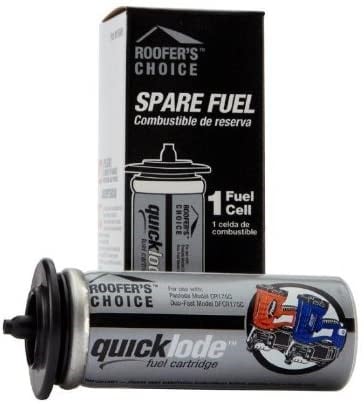
Spare Fuel cells and cartridges
Requires airline approval: No
Check Baggage: No
Carry-on Baggage: YES
Quantity limits: Two spare fuel cell cartridges per passenger. Spare (uninstalled) fuel cell cartridges must be carried in carry-on baggage only. Empty fuel cell cartridges may not be refilled with fuel on the aircraft. Each fuel cell cartridge (not the electronic device) must be marked with the maximum quantity and type of fuel in the cartridge.
Baggage with installed lithium batteries
Requires airline approval: No
Check Baggage: YES
Carry-on Baggage: YES
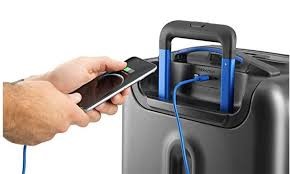
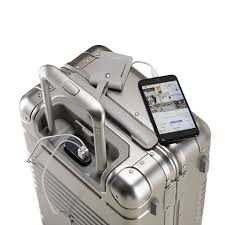
- Baggage with non-removable batteries. Batteries must contain no more than 0.3 g of lithium metal or lithium ion must not exceed 2.7 Wh
- Baggage with removable batteries. Batteries but be removed if baggage is to be checked in. Removed batteries must be carried in the cabin
Baggage with installed Non-removable batteries exceeding 0.3 g lithium metal or 2.7 Wh lithium ion are Forbidden
Removable batteries considered as spare batteries must be protected from damage and short circuit. see Batteries, Spare/loose, including lithium metal or lithium ion cells or batteries
Wheelchairs and mobility devices with lithium ion batteries, collapsible design, battery removed
Electric wheelchair, mobility scooter
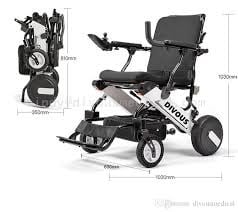
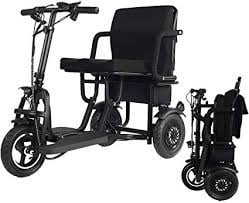
Requires airline approval: YES
Check Baggage: No
Carry-on Baggage: YES
This description is for a wheelchair or mobility device that does not have a protective housing for its lithium ion battery. Lithium ion battery size is limited to 300 watt hours (Wh) or 25 grams equivalent lithium content (ELC). One spare battery not exceeding 300 Wh or two spare batteries not exceeding 160 Wh (13.5 grams ELC) each may be carried in carry-on baggage.
Lithium metal (non-rechargeable lithium) batteries are forbidden with these devices.
Lithium ion batteries must be removed from this type of mobility device and battery terminals protected from short circuit. The lithium ion batteries must be carried in carry-on baggage only. The passenger must advise the airline of the battery location. The airline must notify the Pilot-in-command of the battery location in the cabin.
Remark: For complete passenger instructions contact your airline. Advance arrangements and extra check-in time may be necessary. Though allowable, airlines may not be able to accommodate the folded-up wheelchair/device in the passenger cabin. The device, with batteries removed, may travel as checked baggage.
Wheelchairs and mobility devices with lithium ion batteries, normal design, battery installed
Electric wheelchair, mobility scooter
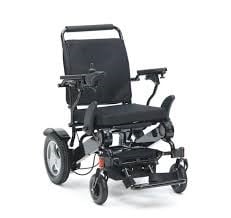
Requires airline approval: YES
Check Baggage: YES
Carry-on Baggage: No
Lithium metal (non-rechargeable lithium) batteries are forbidden with these devices.
Each battery must be of a type which meets the requirements of each test in the UN Manual of Tests and Criteria, Part Ill, subsection 38.3;
Lithium ion battery powered wheelchairs or other similar mobility aids for use by passengers whose mobility is restricted by either a disability, their health or age, or a temporary mobility problem (e.g. broken leg)
The battery may remain installed only if it is securely attached to the mobility device, the battery housing provides protection from damage, and the terminals are protected from short circuit. The battery cables may remain connected only if the device is protected from accidental activation.
Quantity limits: The battery may be removed by passenger, if the mobility aid is specifically designed to allow it to be, following the manufacturer’s instructions. The removed battery must not exceed 300Wh, or for mobility aids fitted with two batteries, each battery must not exceed 160Wh. The passenger may carry a maximum of one spare lithium battery not exceeding 300Wh, or two batteries each not exceeding 160Wh.
Remark: For complete passenger instructions contact your airline. Advance arrangements and extra check-in time may be necessary
Wheelchairs and mobility devices with non-spillable or dry batteries
Electric wheelchair, mobility scooter
Requires airline approval: YES
Check Baggage: YES
Carry-on Baggage: No
This description includes wheelchairs and mobility devices with non-spillable (gel cell, absorbed electrolyte) batteries or dry cell batteries.
Battery-powered wheelchairs or other similar mobility aids for use by passengers whose mobility is restricted by either a disability, their health or age, or a temporary mobility problem. (e.g. broken leg)
The battery may remain installed if it is securely attached to the mobility device, the battery housing provides protection from damage, and the terminals are protected from short circuit. The battery cables may remain connected only if the device is protected from accidental activation.
A passenger may carry a maximum of one spare battery.
Remark: For complete passenger instructions contact your airline. Advance arrangements and extra check-in time may be necessary
Wheelchairs and mobility devices with spillable batteries
Electric wheelchair, mobility scooter
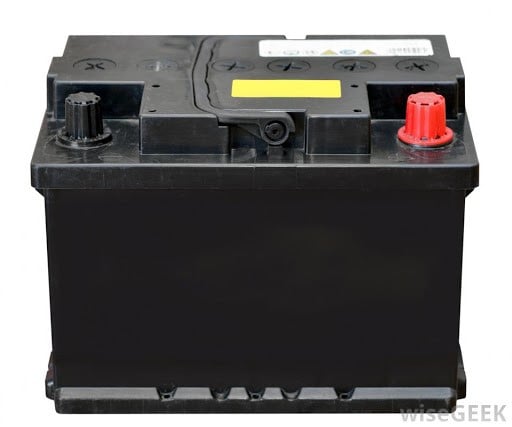
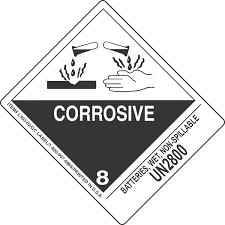
Requires airline approval: YES
Check Baggage: YES
Carry-on Baggage: No
Battery-powered wheelchairs or other similar mobility aids for use by passengers whose mobility is restricted by either a disability, their health or age, or a temporary mobility problem. (e.g. broken leg)
The battery may remain installed if it is securely attached to the mobility device and the battery housing provides protection from damage, the terminals are protected from short circuit, and the battery remains in an upright position when stowed on the aircraft.
Remark: For complete passenger instructions contact your airline. Advance arrangements and extra check-in time may be necessary. The airline may need to remove the battery and package it separately if the wheelchair cannot be stowed upright in the cargo compartment.
4.Assistive Devices
Oxygen (compressed or liquid) Medical oxygen, recreational oxygen.
Oxygen or air, gaseous, Cylinders required for medical use.
Portable oxygen concentrators (POCs) Inogen One, Sequal Eclipse, Airsep Lifestyle.
Small compressed gas cylinders for mechanical limbs
Oxygen (compressed or liquid)
Medical oxygen, recreational oxygen
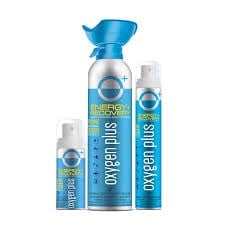
Requires airline approval: –
Check Baggage: No
Carry-on Baggage: No
Detail: Passengers may not carry their own oxygen (compressed oxygen or liquid oxygen) in checked baggage, in carry-on baggage or on their person. Products such as “canned oxygen,” “recreational oxygen” and “flavored oxygen” are also prohibited.
Airlines are not required to provide oxygen service and many do not.
Passengers may carry portable oxygen concentrators (POCs).
Oxygen or air, gaseous, Cylinders
required for medical use

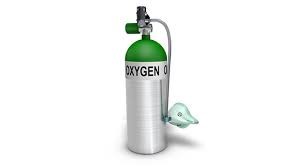
Requires airline approval: Yes
Check Baggage: Yes
Carry-on Baggage: Yes
Detail: The cylinder must not exceed 5 kg gross weight.
The cylinders, valves and regulators, where fitted, must be protected from damage which could cause inadvertent release of the contents;
For complete passenger instructions contact your airline.
Portable oxygen concentrators (POCs)
Inogen One, Sequal Eclipse, Airsep Lifestyle
Requires airline approval: Yes
Check Baggage: Yes
Carry-on Baggage: Yes
Detail: Portable oxygen concentrators (POCs) do not actually contain or generate oxygen, they concentrate it from the ambient air.
Those depending on a POC while traveling must bring sufficient spare batteries in carry-on baggage for the duration of the flight.
Spare batteries must be protected from damage and short circuit
Small compressed gas cylinders for mechanical limbs
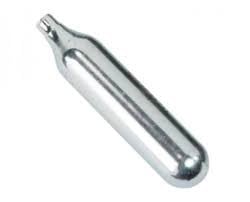
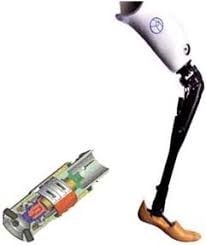
Requires airline approval: No
Check Baggage: Yes
Carry-on Baggage: Yes
Quantity limits: A sufficient number of cylinders/cartridges to ensure an adequate supply for the duration of the journey.
Cylinders/cartridges containing nonflammable, nontoxic gases may be worn in mechanical limbs and spare cylinders/cartridges may be carried in carry-on or checked baggage.
5.Outdoors
Air Tanks, Pressurized (including scuba and scba).
Ammunition Cartridges up to 19.1mm, shotgun shells.
Avalanche rescue backpack.
Camping Stoves and Fuel Containers that have Contained a Flammable Liquid Fuel
Engine powered equipment completely purged of fuel Chainsaws, generators, trimmers, etc.
Engine powered equipment with residual fuel Chainsaws, generators, trimmers, etc.
Flammable fuels and liquids Including containers and equipment with residual fuel.
Mosquito repellent, insect repellent.
Small compressed gas cylinders and cartridges in or with a device, Self-inflating life jacket or safety vest Inflatable life jackets, motorcycle vests, riding vests.
Signal flares and road flares.
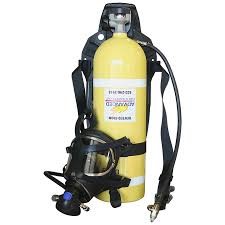
Air Tanks, Pressurized (including scuba and scba)
Requires airline approval: –
Check Baggage: No
Carry-on Baggage: No
Detail: Pressurized scuba tanks/cylinders containing air or other nonflammable, nontoxic gases are regulated as hazardous materials once they reach a pressure of 200 kPa (29 psig/43.8 psia) at 20ºC/68ºF.
Empty scuba tanks or scuba tanks pressurized at less than 200 kPa are not restricted as hazardous materials. However, airlines and airport screening officials may require valves to be opened all the way for inspection.
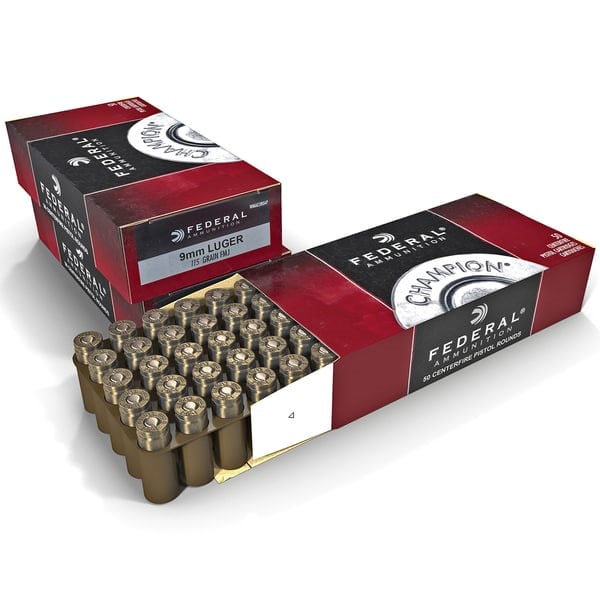
Ammunition Cartridges up to 19.1mm, shotgun shells
Requires airline approval: Yes
Check Baggage: Yes
Carry-on Baggage: No
Detail: Ammunition Securely packaged (in Dev. 1.4S, UN0012, UN0014 only)
Quantity limits: limit not exceeding 5 kg gross weight per passenger. Check with your airline.
Small arms ammunition includes cartridges up to 19.1 mm (.75 caliber) and shotgun shells. It does not include black powder, smokeless powder, primers, percussion caps, or homemade powder and ball loads for muzzle loading.
Ammunition must be securely packed in boxes or other devices specifically designed to carry small amounts of ammunition. Ammunition clips and magazines must also be securely boxed so no ammunition is loose or exposed.
Loaded firearms are forbidden.
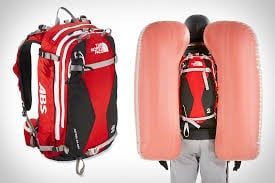
Avalanche rescue backpack
Requires airline approval: Yes
Check Baggage: Yes
Carry-on Baggage: Yes
Detail:
a) no more than one avalanche rescue backpack per person;
b) the backpack must be packed in such a manner that it cannot be accidentally activated;
c) may contain a pyrotechnic trigger mechanism which must not contain more than 200 mg net of Division 1 .4S; and
d) the airbags within the backpack must be fitted with pressure relief valves.
Camping Stoves and Fuel Containers that have Contained a Flammable Liquid Fuel
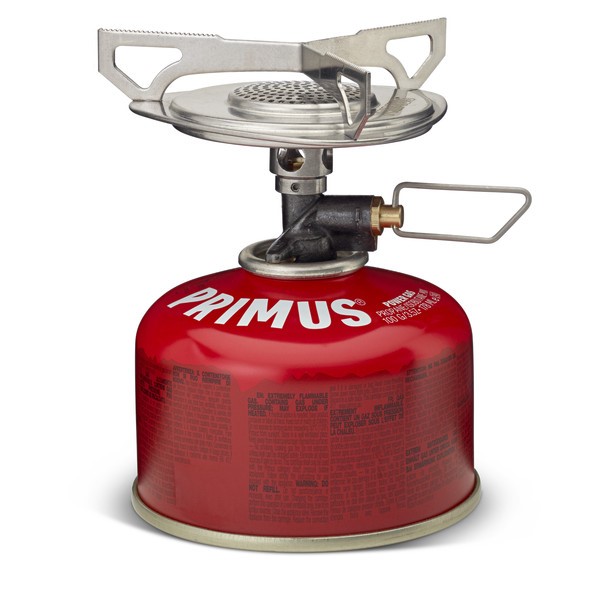
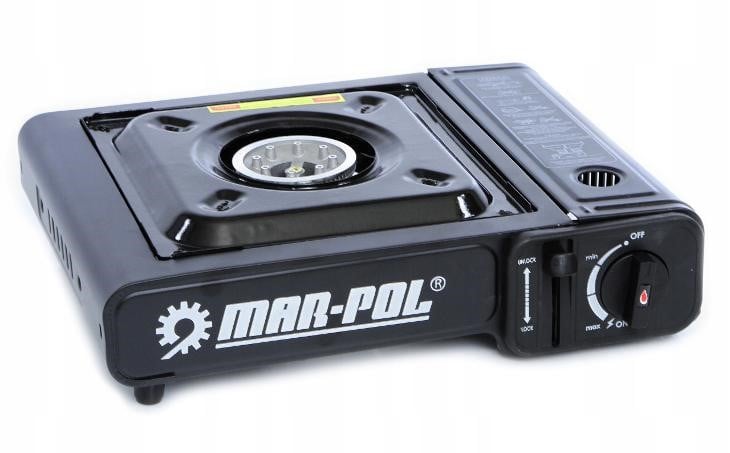
Requires airline approval: Yes
Check Baggage: Yes
Carry-on Baggage: No
Detail: Camping stoves and equipment that contains no residual fuel, vapors or other hazardous materials are allowed.
Some airlines may not accept used camping equipment that has had fuel in it regardless of how well it has been purged. Check with your airline’s policy.
Engine powered equipment completely purged of fuel Chainsaws, generators, trimmers, etc.
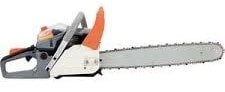
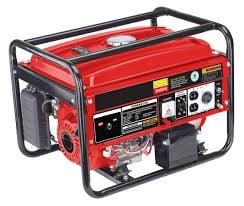
Requires airline approval: No
Check Baggage: Yes
Carry-on Baggage: No
Detail: This entry is for engines that have been completely purged of all liquid or gaseous fuel, including residue and vapors. Equipment powered by an electrical cord is not restricted as a hazardous material if there are no other hazardous materials present.
Even if completely purged, some airlines may refuse to allow engine powered equipment in baggage if it has ever contained fuel.
Engine powered equipment with residual fuel Chainsaws, generators, trimmers, etc.

Requires airline approval: FORBIDDEN
Check Baggage: FORBIDDEN
Carry-on Baggage: FORBIDDEN
Detail: This entry is for engines using fuels. Equipment powered by an electrical cord is not restricted as a dangerous goods if there are no other dangerous goods present.
No amount of fuel may remain in the engine, including residual vapors.
Engines and engine-powered equipment that are totally purged of fuel and vapors may be carried as checked baggage.
Even if completely purged, some airlines may refuse to allow engine powered equipment in baggage if it has ever contained fuel.
Flammable fuels and liquids Including containers and equipment with residual fuel
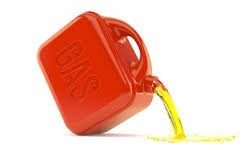
Requires airline approval: FORBIDDEN
Check Baggage: FORBIDDEN
Carry-on Baggage: FORBIDDEN
Detail: Gasoline and other flammable fuels are forbidden in carry-on and checked baggage.
Containers, equipment, and engine parts that contain residual fuel or fuel vapors are also forbidden in carry-on and checked baggage.
Mosquito repellent, insect repellent
Requires airline approval: No
Check Baggage: Yes
Carry-on Baggage: Yes
Quantity limits: Included in, not in addition to, the quantity limits for other medicinal and toiletry articles: The total aggregate quantity per person cannot exceed 2 kg or 2 L. The capacity of each container must not exceed 0.5 kg or 500 ml.*
Aerosol release devices (button/nozzle) must be protected with a cap or other means to protect against accidental release.
This exception is for repellents that are sprayed/applied directly on a person’s skin and clothing and as such are included in the exception for medicinal and toiletry articles. Insect repellents or insecticides designed to be sprayed in the air or at the insect are not included in this exception.
Remark: Most insect repellents in non-aerosol liquid pump sprays and other forms (liquids, lotions, wipes, etc.) are not restricted as hazardous materials – and therefore not subject to size or quantity limits. Some liquid repellents, including some containing Picaridin, are flammable liquids–these are still allowed but must stay within the size and quantity limits mentioned above.
*Liquids, gels, and aerosols in carry-on baggage are further limited to 100-ml containers at security checkpoint.
Small compressed gas cylinders and cartridges in or with a device, Self-inflating life jacket or safety vest Inflatable life jackets, motorcycle vests, riding vests
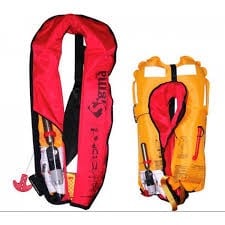
Requires airline approval: Yes
Check Baggage: Yes
Carry-on Baggage: Yes
Detail: Carbon dioxide (CO2) and other nonflammable, nontoxic gases. This entry is for inflatable lifejackets for water safety and inflatable safety vests used in activities like motorcycling and horseback riding.
Quantity limits:
- Self-inflating safety device such as a life-jacket or vest:
- no more than two personal safety device per person;
- the personal safety device must be packed in such a manner that it cannot be accidentally activated;
- must be for inflation purposes;
- no more than two cartridges are fitted into the device; and
- no more than two spare cartridges.
- The safety jacket/vest must be packaged to prevent accidental activation.
- Other Devices:
- no more than four cartridges per person; and
- the water capacity of each cartridge must not exceed 50 ml.
Note.
- For carbon dioxide, a gas cartridge with a water capacity of 50 mL is equivalent to a 28 g cartridge.
Airline approval required.
Signal flares and road flares
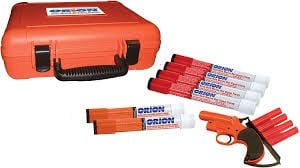
Requires airline approval: FORBIDDEN
Check Baggage: FORBIDDEN
Carry-on Baggage: FORBIDDEN
Detail: Flares and other similar flammable/explosive products are forbidden in carry-on and checked baggage.
6.Miscellaneous
Adhesives, flammable Rubber cement, pipe cement, some super glues and other flammable adhesives.
Adhesives, non-flammable School glue, glue sticks, etc.
Aerosols flammable Non-toiletry, WD-40, spray paint, spray starch, cooking spray, etc.
Aerosols, non-flammable Nonflammable aerosols (with no other hazard), Non-toiletry, Some electronics cleaners, whipped cream.
Alcoholic beverages In unopened retail packaging, containing more than 24% but not more than 70% alcohol by volume (up to 140 proof).
Biological specimens, non-infectious, in preservative solutions Containing formaldehyde, ethanol, isopropanol, or other alcohols.
Chemical kits containing Dangerous Goods Water test kits, soil test kits, children’s chemistry sets, etc., when containing hazardous materials.
Dry ice Carbon dioxide, solid, 2.5 kg (5.5 lbs) or less, when used to pack perishables.
Fireworks Firecrackers, bottle rockets, poppers, sparklers.
Adhesives, flammable Rubber cement
,pipe cement, some super glues and other flammable adhesive
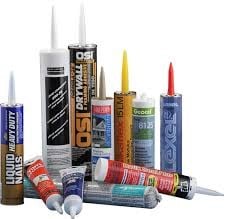
Requires airline approval: FORBIDDEN
Check Baggage: FORBIDDEN
Carry-on Baggage: FORBIDDEN
Detail: Most model glues, rubber cements, and industrial-strength adhesives are flammable and not allowed in carry-on or checked baggage.
Some super glues and other household glues are not flammable and would be allowed in baggage. To see if they are flammable, check the product label or the manufacturer’s material safety data sheet (MSDS). When checking the MSDS, a “flash point” at or below 140 F (60° C) indicates it is a flammable liquid and may not be carried in baggage.
Adhesives, nonflammable
School glue, glue sticks, etc
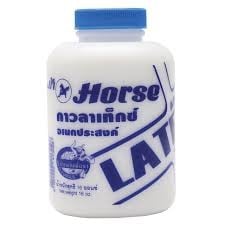
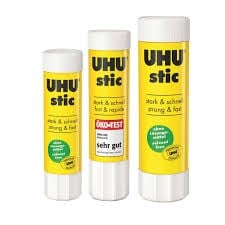
Requires airline approval: No
Check Baggage: Yes
Carry-on Baggage: Yes
Quantity limits: None*
Nonflammable, non-toxic adhesive/glue is not restricted as a Dangerous Goods.
*Liquids, gels, and aerosols in carry-on baggage are further limited to 100-ml containers at security checkpoint
Aerosols flammable
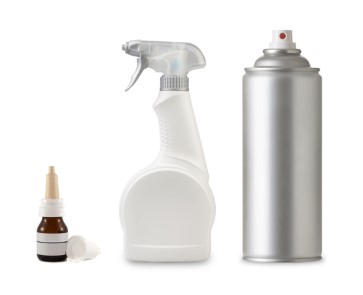
Non-toiletry, WD-40, spray paint, spray starch, cooking spray, etc
Requires airline approval: FORBIDDEN
Check Baggage: FORBIDDEN
Carry-on Baggage: FORBIDDEN
Detail: This entry is for flammable aerosols that don’t qualify as a medicinal or toiletry article (see separate entry in this table).
Flammable aerosols that don’t qualify as a medicinal or toiletry article are forbidden in carry-on and checked baggage.
Some of these products may only be flammable because of the propellant gases used in the aerosol. Look for non-aerosol versions of these products.
Aerosols, non-flammable Nonflammable aerosols
(with no other hazard), Non-toiletry, Some electronics cleaners, whipped cream
Requires airline approval: No
Check Baggage: Yes
Carry-on Baggage: Yes
Detail: Nonflammable aerosols (hazard class 2.2 with no other hazard subrisks) that do not qualify for the medicinal/toiletry article exception may be carried in checked baggage only. Aerosol release devices (button/nozzle) must be protected with a cap or other means to protect against accidental release.
This includes items such as some aerosol whipped cream products and some aerosol flat tire repair products.
For transportation purposes, an “aerosol” is a product that uses compressed gas to expel another material (liquid, powder, creams, etc.). Canisters containing compressed gases that are the product, (e.g., canned oxygen, refrigerant gases, compressed air for cleaning electronics) do not qualify as an aerosol and cannot use this exception.
Quantity limits: Included in, not in addition to, the quantity limits for medicinal and toiletry articles: The total aggregate quantity per person cannot exceed 2 kg or 2 L. The capacity of each container must not exceed 0.5 kgor 500 ml.*
There are very few nonflammable aerosols. Check to make sure the container indicates it is nonflammable and has no other hazard indicators (flammable, poison, toxic, corrosive, oxidizer).
*Liquids, gels, and aerosols in carry-on baggage are further limited to 100-ml containers at security checkpoint
Alcoholic beverages
In unopened retail packaging, containing more than 24% but not more than 70% alcohol by volume (up to 140 proof)

Requires airline approval: No
Check Baggage: Yes
Carry-on Baggage: Yes
Detail: Quantity limits: 5 L per packaging and 5 L total per passenger.*
Must be in unopened retail packagings.
Beverages containing more than 70% alcohol are forbidden in carry-on and checked baggage.
*Liquids, gels, and aerosols in carry-on baggage are further limited to 100-ml containers at security checkpoint.
Remark: Alcoholic beverages containing 24% or less alcohol by volume are not restricted as Dangerous Goods. This includes beers and most wines.
Biological specimens, non-infectious,
in preservative solutions Containing formaldehyde, ethanol, isopropanol, or other alcohol

Requires airline approval: No
Check Baggage: Yes
Carry-on Baggage: Yes
Quantity limits: No more than 30 ml of free liquid solution in each inner packaging and no more than one liter in the entire outer package.*
Inner packagings must be placed in a heat-sealed plastic bag.
Heat-sealed plastic bags must be placed in another heat-sealed plastic bag with enough absorbent material to absorb all of the contents of the inner containers. That bag is then put into a strong outer packaging with sufficient cushioning material.
Chemical kits containing Dangerous Goods
Water test kits, soil test kits, children’s chemistry sets, etc., when containing hazardous material
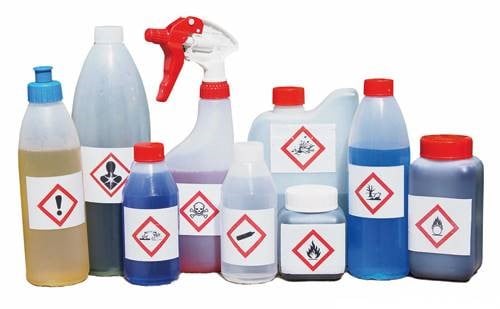
Requires airline approval: FORBIDDEN
Check Baggage: FORBIDDEN
Carry-on Baggage: FORBIDDEN
Detail: Most chemical kits contain a variety of substances – with only a few of them being dangerous goods for transportation purposes. Corrosives, oxidizers, and organic peroxides are the most common classes of hazardous materials found in chemistry kits. The material safety data sheet (MSDS) of each individual chemical in the kit must be examined to know if it is a hazardous material. Section 14 of the MSDS should identify if a chemical/substance is a regulated hazardous materials for transportation purposes
Dry ice Carbon dioxide, solid, 2.5 kg (5.5 lbs) or less, when used to pack perishables
Carbon dioxide, solid, 2.5 kg (5.5 lbs) or less, when used to pack perishables
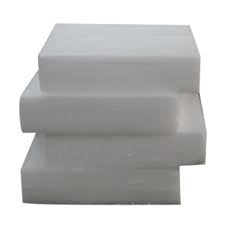
Requires airline approval: Yes
Check Baggage: Yes
Carry-on Baggage: Yes
Quantity limit: 2.5 kg (5.5 lbs) per package and per passenger.
Airline approval is required.
Packages must NOT be air tight and must allow the release of carbon dioxide gas.
When in checked baggage, the package must be marked “Dry ice” or “Carbon dioxide, solid” and marked with the net quantity of dry ice, or an indication that it is 2.5 kg (5.5 lbs) or less.
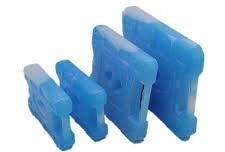
Remark: Additional non-hazardous ice packs (blue ice, gel packs, etc.) can be used to supplement the dry ice. However, for carry-on baggage, if the product contains any liquid or gel in excess of 100 ml per container, the security rules require that the product be in the frozen state (i.e., solid) when the passenger goes through security screening.
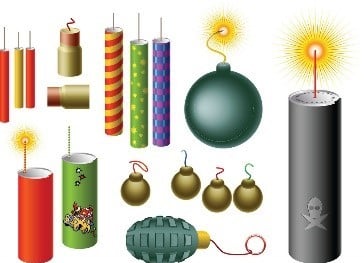
Fireworks Firecrackers, bottle rockets, poppers, sparkler
Requires airline approval: FORBIDDEN
Check Baggage: FORBIDDEN
Carry-on Baggage: FORBIDDEN
Detail: All fireworks, no matter how small, are forbidden in carry-on and checked baggage.
7.Hidden Dangerous Goods
With the aim of preventing undeclared dangerous goods from being loaded on an aircraft and of preventing passengers from taking on board those dangerous goods which they are not permitted to have in their baggage. The following is a list of general descriptions and the types of dangerous goods that may be included in any item bearing that description.
Aircraft on ground (AOG) spares
may contain explosives (flares or other pyrotechnics), chemical oxygen generators, unserviceable tire assemblies, cylinders of compressed gas (oxygen, carbon dioxide or fire extinguishers), fuel in equipment, wet or lithium batteries, matches
Automobile parts/supplies (car, motor, motorcycle) and Cars, car parts
may include engines, including fuel cell engines, carburettors or fuel tanks that contain or have contained fuel, wet or lithium batteries, compressed gases in tire inflation devices and fire extinguishers, air bags, flammable adhesives, paints, sealants and solvents, etc.
Battery-powered devices/equipment
may contain wet or lithium batteries.
Breathing apparatus
may indicate cylinders of compressed air or oxygen, chemical oxygen generators or refrigerated liquefied oxygen
Camping equipment
may contain flammable gases (butane, propane, etc.), flammable liquids (kerosene, gasoline, etc.) or flammable solids (hexamine, matches, etc.)
Chemicals
may contain items meeting any of the criteria for dangerous goods, particularly flammable liquids, flammable solids, oxidizers, organic peroxides, toxic or corrosive substances
Consolidated consignments (groupages)
may contain any of the defined classes of dangerous goods
Cryogenic (liquid)
indicates refrigerated liquefied gases such as argon, helium, neon, nitrogen, etc.
Cylinders
may contain compressed or liquefied gas
Dental apparatus
may contain flammable resins or solvents, compressed or liquefied gas, mercury and radioactive material
Diagnostic specimens
may contain infectious substances
Diving equipment
may contain cylinders of compressed gas (e.g. air or oxygen). May also contain high intensity diving lamps that can generate extreme heat when operated in air. In order to be carried safely, the bulb or battery should be disconnected
Drilling and mining equipment
may contain explosive(s) and/or other dangerous goods
Dry shipper (vapour shipper)
may contain free liquid nitrogen. Dry shippers are not subject to these Instructions only when they do not permit the release of any free liquid nitrogen irrespective of the orientation of the packaging
Electrical/electronic equipment
may contain magnetized material, mercury in switch gear, electron tubes, wet or lithium batteries or fuel cells or fuel cell cartridges that contain or have contained fuel
Electrically powered apparatus (wheelchairs, lawnmowers, golf carts, etc.)
may contain wet or lithium batteries or fuel cells or fuel cell cartridges that contain or have contained fuel
Expeditionary equipment
may contain explosives (flares), flammable liquids (gasoline), flammable gas (gas for camping equipment) or other dangerous goods
Film crew and media equipment
may contain explosive pyrotechnic devices, generators incorporating internal combustion engines, wet or lithium batteries, fuel, heat-producing items, etc.
Frozen embryos
may be packed in refrigerated liquefied gas or dry ice
Frozen fruit, vegetables, etc.
may be packed in dry ice (solid carbon dioxide)
Fuel control units
may contain flammable liquids
Hot-air balloon
may contain cylinders with flammable gas, fire extinguishers, engines internal combustion, batteries, etc.
Household goods
may contain items meeting any of the criteria for dangerous goods. Examples include flammable liquids such as solvent-based paint, adhesives, polishes, aerosols (for passengers, those not permitted under CAAT dangerous goods regulations), bleach, corrosive oven or drain cleaners, ammunition, matches, etc.
Instruments
may conceal barometers, manometers, mercury switches, rectifier tubes, thermometers, etc., containing mercury
Laboratory/testing equipment
may contain items meeting any of the criteria for dangerous goods, particularly flammable
liquids, flammable solids, oxidizers, organic peroxides, toxic or corrosive substances, lithium batteries, cylinders of compressed gas, etc.
Machinery parts
may contain flammable adhesives, paints, sealants and solvents, wet and lithium batteries, mercury, cylinders
of compressed or liquefied gas, etc.
Magnets and other items of similar material
may individually or cumulatively meet the definition of magnetized material
Medical supplies/equipment
may contain items meeting any of the criteria for dangerous goods, particularly flammable liquids, flammable solids, oxidizers, organic peroxides, toxic or corrosive substances, lithium batteries
Metal construction material
may contain ferromagnetic material which may be subject to special stowage requirements due to the possibility of affecting aircraft instruments
Metal fencing
may contain ferromagnetic material which may be subject to special stowage requirements due to the possibility of affecting aircraft instruments
Metal piping
may contain ferromagnetic material which may be subject to special stowage requirements due to the possibility
of affecting aircraft instruments
Passengers’ baggage
may contain items meeting any of the criteria for dangerous goods not permitted under list of dangerous goods
Pharmaceuticals
may contain items meeting any of the criteria for dangerous goods, particularly radioactive material, flammable liquids, flammable solids, oxidizers, organic peroxides, toxic or corrosive substances
Photographic supplies/equipment
may contain items meeting any of the criteria for dangerous goods, particularly heatproducing devices, flammable liquids, flammable solids, oxidizers, organic peroxides, toxic or corrosive substances, lithium batteries
Racing car or motorcycle team equipment
may contain engines, including fuel cell engines, carburettors or fuel tanks that contain fuel or residual fuel, wet and lithium batteries, flammable aerosols, nitromethane or other gasoline additives, cylinders of compressed gases, etc.
Refrigerators
may contain liquefied gases or an ammonia solution
Repair kits
may contain organic peroxides and flammable adhesives, solvent-based paints, resins, etc.
Samples for testing
may contain items meeting any of the criteria for dangerous goods, particularly infectious substances, flammable liquids, flammable solids, oxidizers, organic peroxides, toxic or corrosive substances
Semen
may be packed with dry ice or refrigerated liquefied gas (see also dry shipper)
Ships’ spares
may contain explosives (flares), cylinders of compressed gas (life rafts), paint, lithium batteries (emergency locator transmitters), etc.
Sporting goods/sports team equipment
may contain cylinders of compressed or liquefied gas (air, carbon dioxide, etc.), lithium batteries, propane torches, first aid kits, flammable adhesives, aerosols, etc.
Swimming pool chemicals
may contain oxidizing or corrosive substances
Switches in electrical equipment or instruments
may contain mercury
Tool boxes
may contain explosives (power rivets), compressed gases or aerosols, flammable gases (Butane cylinders or torches), flammable adhesives or paints, corrosive liquids, lithium batteries, etc.
Torches
micro torches and utility lighters may contain flammable gas and be equipped with an electronic starter. Larger torches may consist of a torch head (often with a self-igniting switch) attached to a container or cylinder of flammable gas
Unaccompanied passengers’ baggage/personal effects
may contain items meeting any of the criteria for dangerous goods not permitted under list of dangerous goods
Vaccines
may be packed in dry ice (solid carbon dioxide)
8.GHS
Some everyday household items bear consumer warning labels which may or may not indicate they are classified as dangerous goods in air transport. All over the world there are different laws on how to identify the hazardous properties of chemicals (called ‘classification’) and how information about these hazards is then passed to users (through consumer supply labels and safety data sheets for workers). This can be confusing because the same chemical can have different hazard descriptions in different countries. For example, a chemical could be labelled for supply as ‘toxic’ in one country, but not in another. For this reason, the UN brought together experts from different countries to create the Globally Harmonized System of Classification and Labelling of Chemicals (GHS).
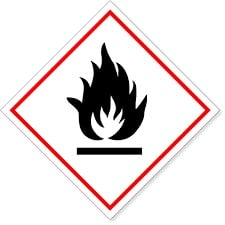
Products bearing the following GHS labels may indicate as dangerous goods:

Note: A product bearing the GHS corrosive label (depicted far right above) is NOT classified as dangerous goods if the signal word ‘Danger’ and hazard statement ‘causes serious eye damage’ applies.
Products bearing the following GHS labels (and none of the above) are NOT classified as dangerous goods:
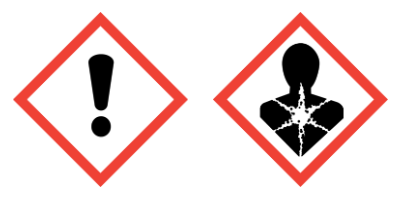
Dangerous Goods, including excepted packages of radioactive material, are forbidden for carriage by passenger or crew
- as or in checked baggage;
- as or in carry-on baggage; or
- on person;
except as permitted on above dangerous goods lists for personal use.
For more information on dangerous goods, Please contact us:
Flight Operations Standards Department (OPS), Dangerous Goods Standards Division, The Civil Aviation Authority of Thailand
222 Soi Vibhavadi Rangsit 28, Vibhavadi Rangsit Road, Chatuchak, Chatuchak, Bangkok, Thailand 10900
TEL: 02-568-8800 ext.8843 or 0612
Mobile: 063-2058838 (Mon-Fri, 08:30-16:30 LT)
Email: [email protected]