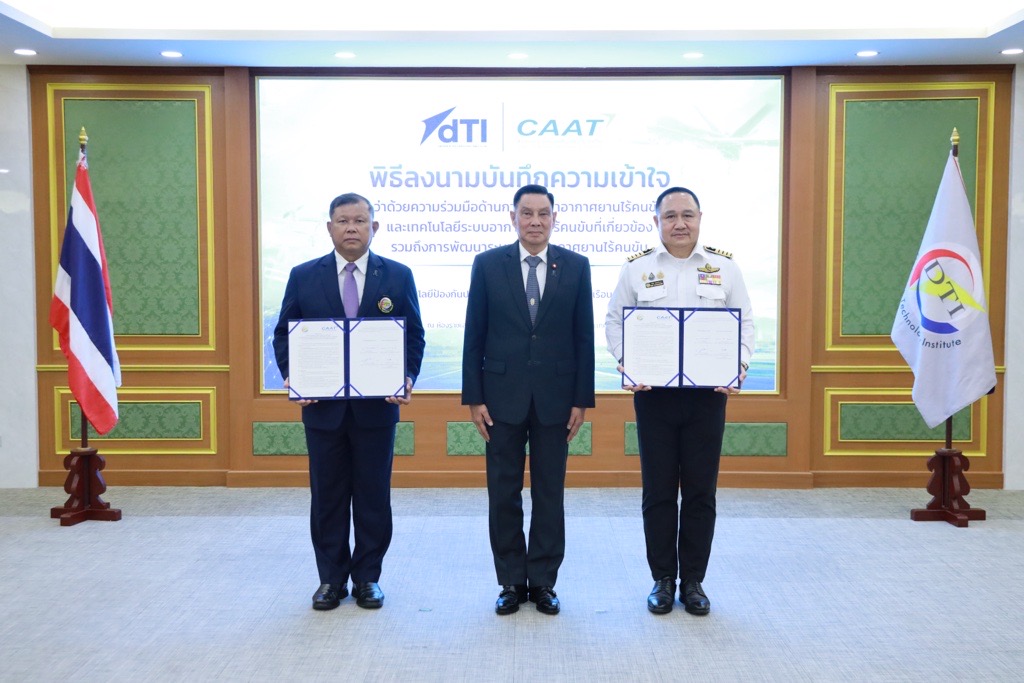
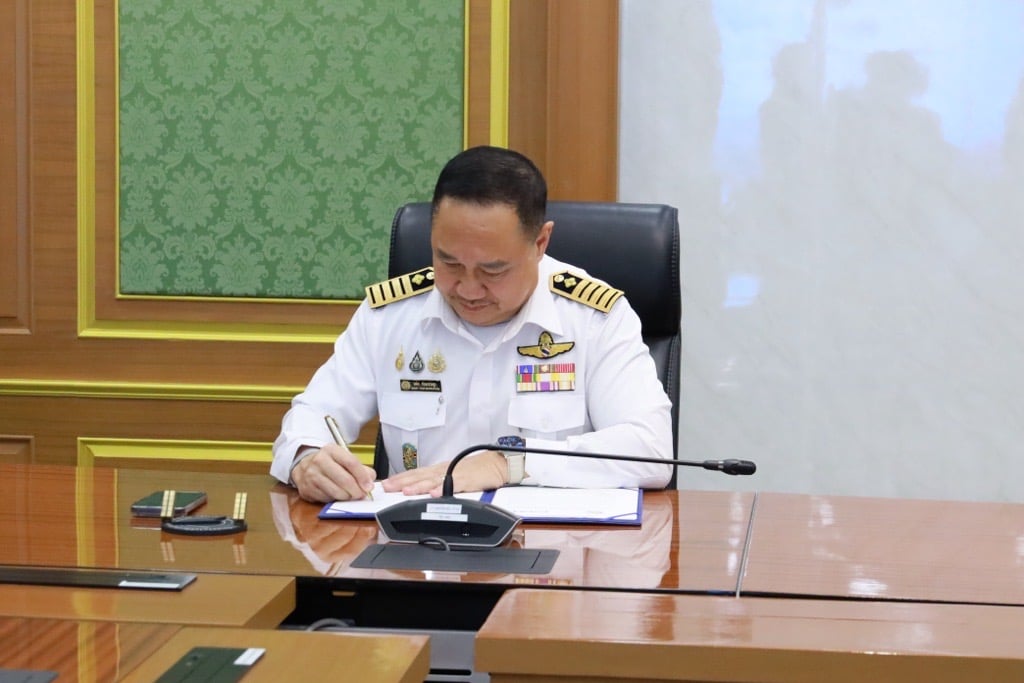
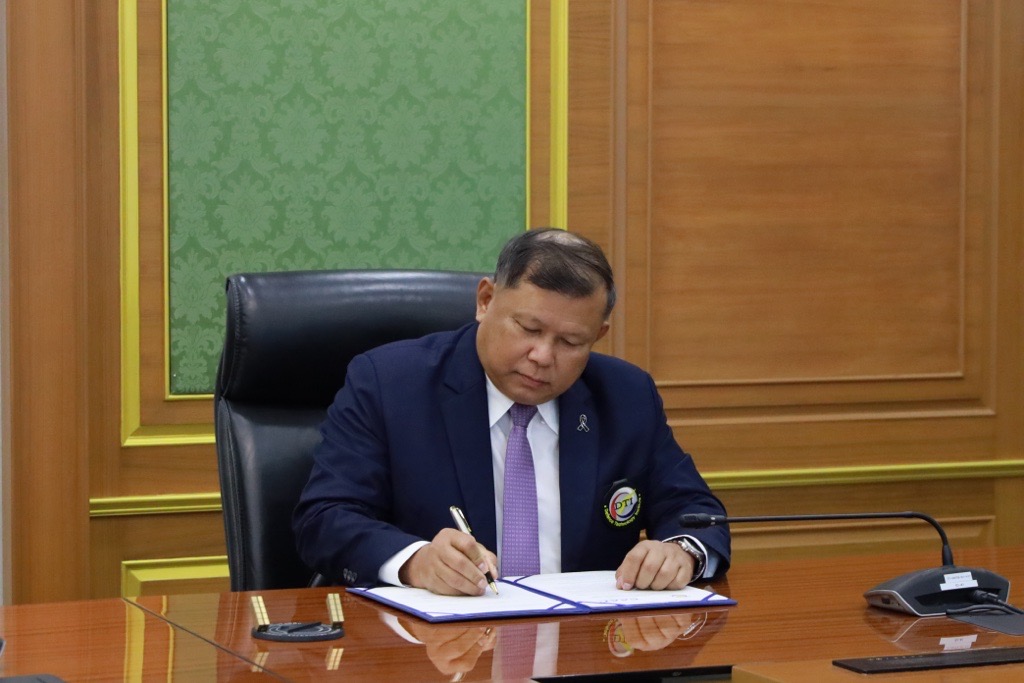
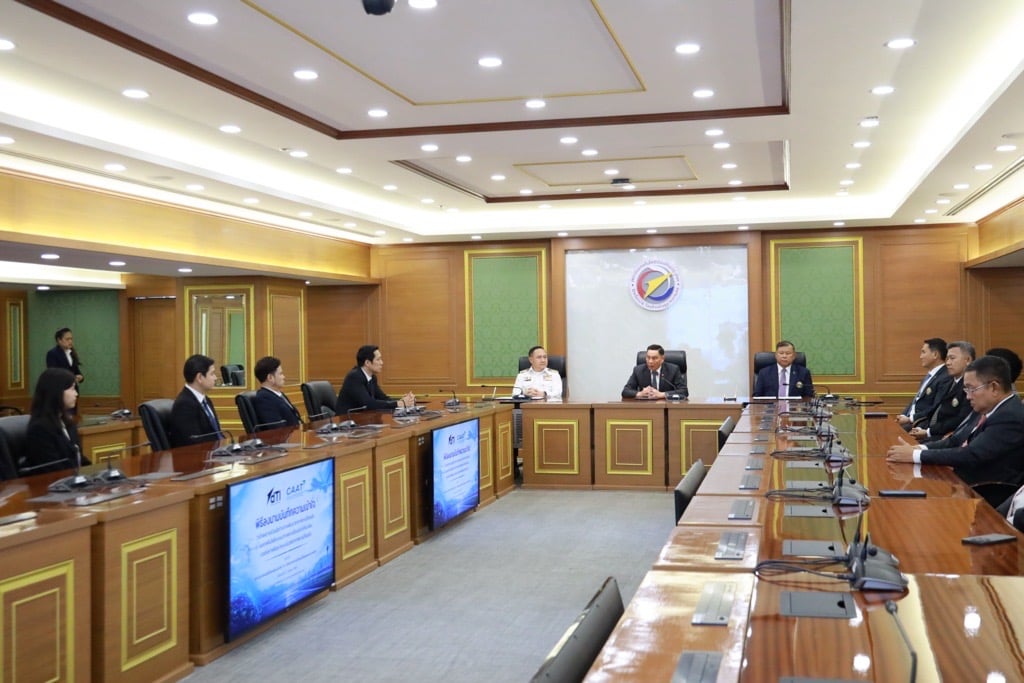
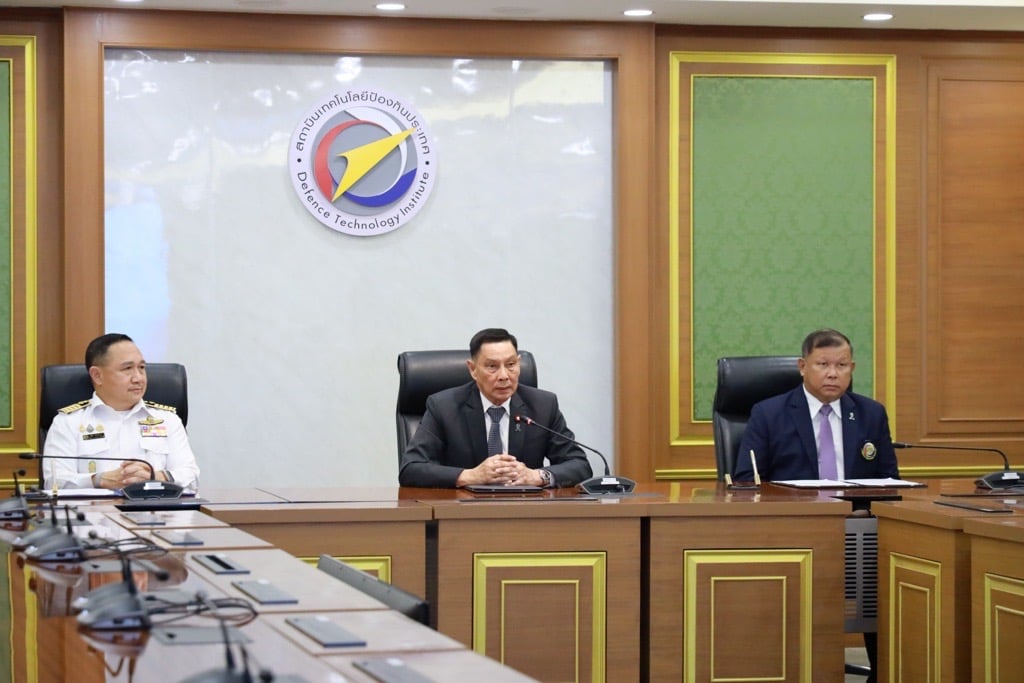
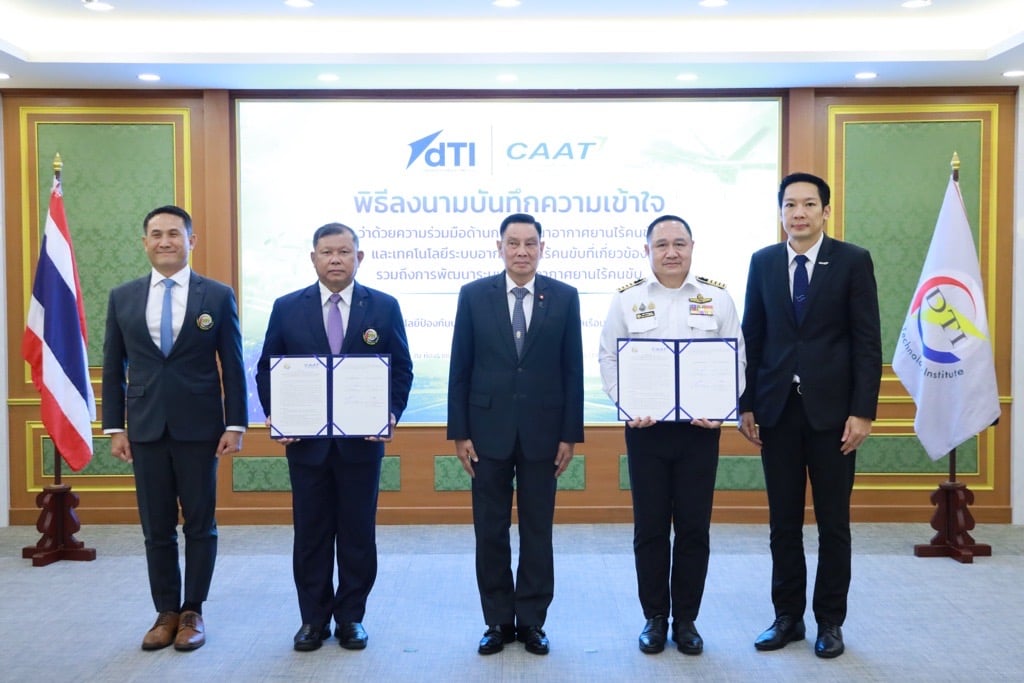
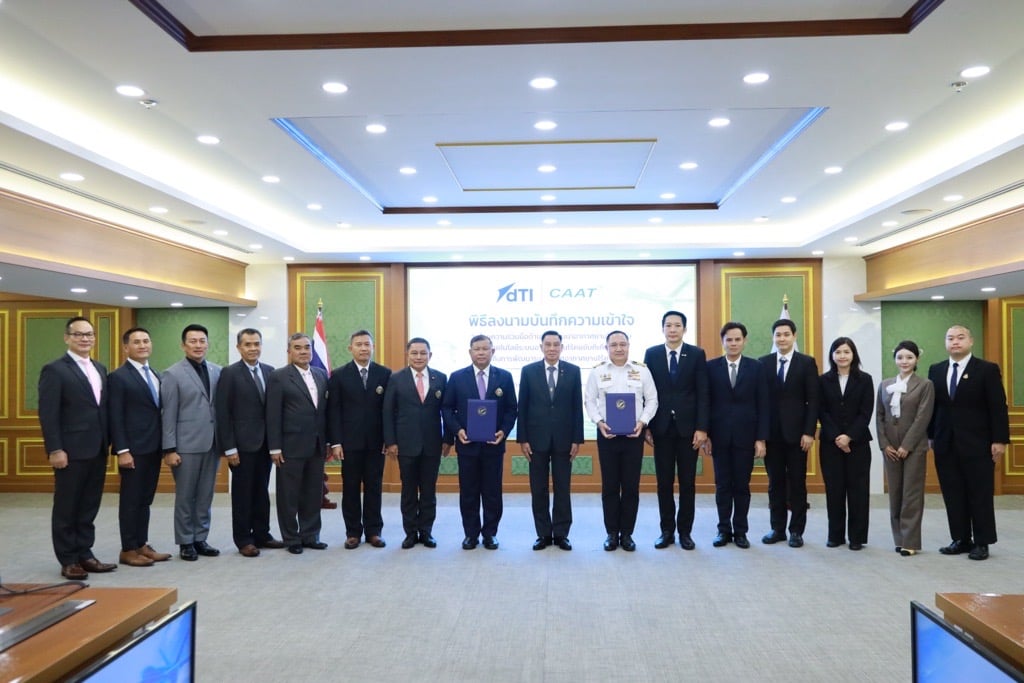
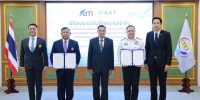
On 27 October 2026, the Civil Aviation Authority of Thailand (CAAT) and the Defence Technology Institute (DTI) signed a Memorandum of Understanding (MOU) on cooperation in the development of unmanned aircraft standards, related unmanned aircraft systems (UAS) technologies, and the broader UAS ecosystem. The collaboration aims to promote research and technological development, enhance aviation safety standards, and strengthen Thailand’s readiness to support the growth of the unmanned aircraft industry and the emerging low-altitude economy.
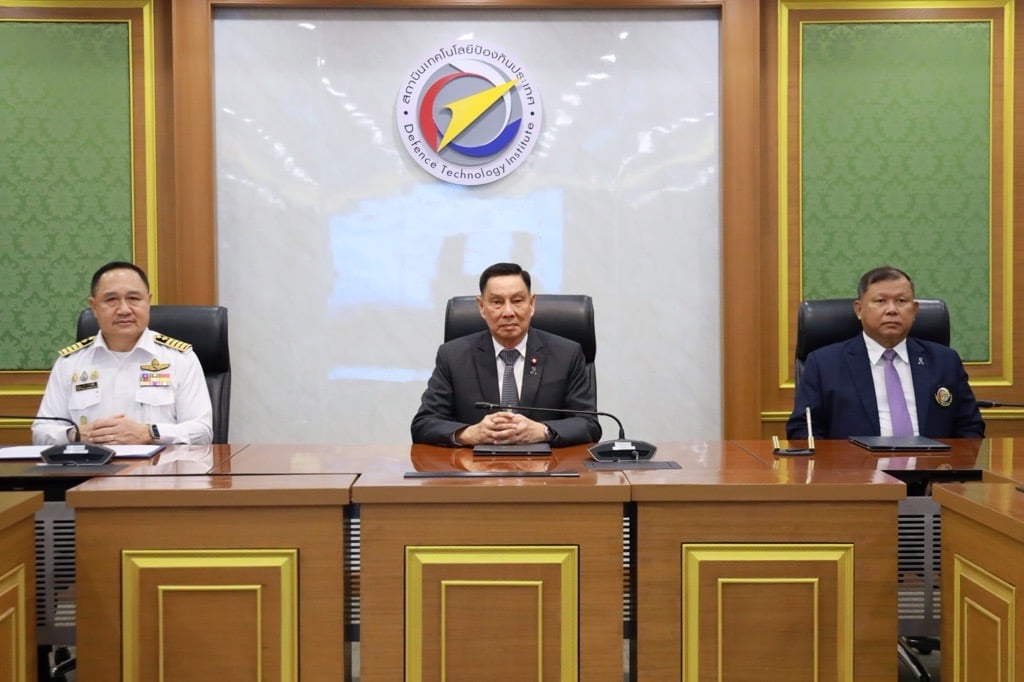
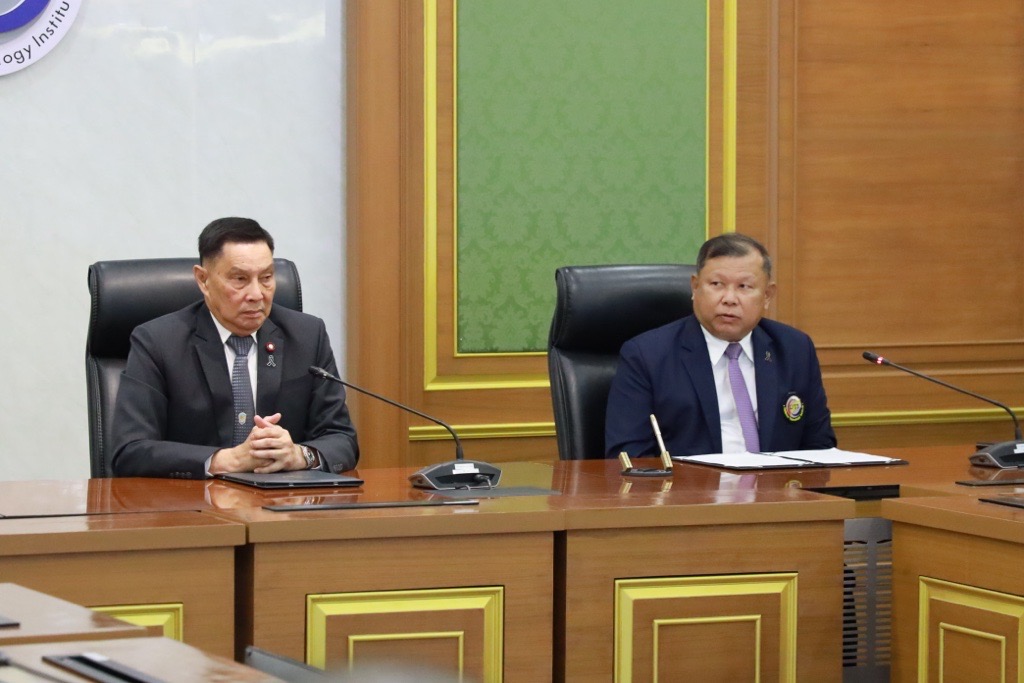
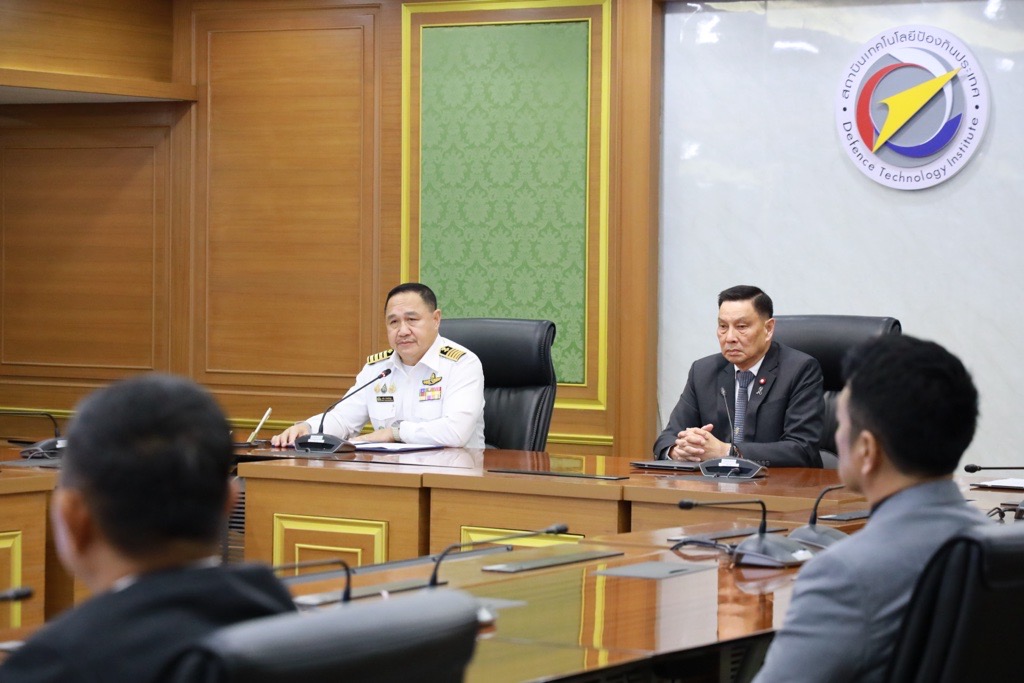
The signing ceremony was held at the Defence Technology Institute in Muang Thong Thani and was presided over by General Naphon Sangsomwong, Chairman of the Defence Technology Institute Board. The MOU was signed by Air Chief Marshal Manat Chavanaprayoon, Director General of CAAT, and General Dr. Charat Umsamrit, Director General of DTI.
The MOU builds upon the longstanding cooperation between CAAT and DTI, which have continuously collaborated and exchanged knowledge and expertise in unmanned aircraft technologies. It establishes a more structured framework for cooperation in developing aviation standards, advancing research and technological innovation, enhancing personnel capabilities, and strengthening essential infrastructure. These efforts aim to facilitate the safe and efficient integration of unmanned aircraft technologies into practical applications in accordance with applicable laws, regulations, and standards.
Key areas of cooperation include the study and development of standards for unmanned aircraft and emerging aviation technologies, particularly electric vertical take-off and landing (eVTOL) aircraft, as well as the study of airworthiness standards. The collaboration also encompasses the development of regulatory sandboxes and testing facilities, including a UAS Flight Testing Base, to support technology testing and safety readiness assessments before operational deployment.
Furthermore, both organizations will jointly explore approaches to developing Thailand’s low-altitude economy ecosystem, with an emphasis on ensuring the safe and systematic use of low-altitude airspace. The cooperation also includes feasibility studies for establishing a Maintenance, Repair and Overhaul (MRO) and Development Center for unmanned aircraft systems in Thailand. Such initiatives are expected to contribute to the long-term development of technological capabilities, skilled personnel, and supporting infrastructure for the country’s unmanned aircraft industry.
CAAT places strong emphasis on strengthening regulatory preparedness and aviation safety standards to accommodate the continued development and increasing adoption of unmanned aircraft and emerging aviation technologies. Activities undertaken through this cooperation will take into account civil aviation safety requirements, international standards, and national security considerations, while promoting research and technological innovation. This approach aims to ensure that the industry’s development progresses in a well-structured manner and remains aligned with Thailand’s regulatory and operational context.
The cooperation between CAAT and DTI represents another important step towards integrating aviation safety oversight expertise with technological research and development. It will help lay the foundation for a robust unmanned aircraft ecosystem in Thailand by strengthening regulatory standards, human resources, and essential infrastructure, while supporting the development of the low-altitude economy and enhancing the capabilities of Thailand’s aviation industry.